September-October 2026 Monthly Updates: Brisk and Bustling October Ahead!
Click here to subscribe to our monthly e-newsletter, and view this month’s edition by clicking the “More” link just below.
August-September 2026 Monthly Updates: Labor is entitled to all it creates (Happy Labor Day!)
Click here to subscribe to our monthly e-newsletter, and view this month’s edition by clicking the “More” link just below.
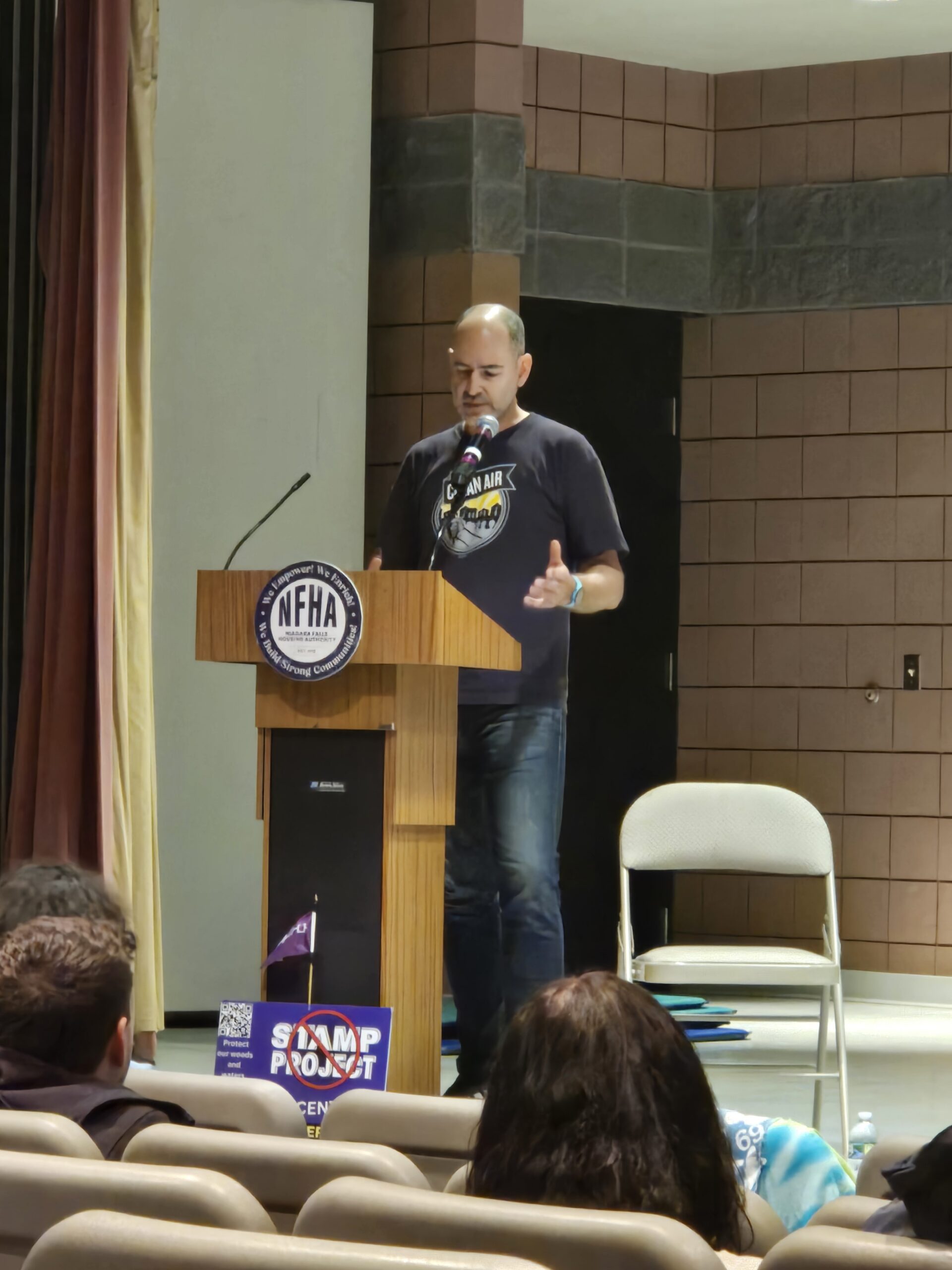
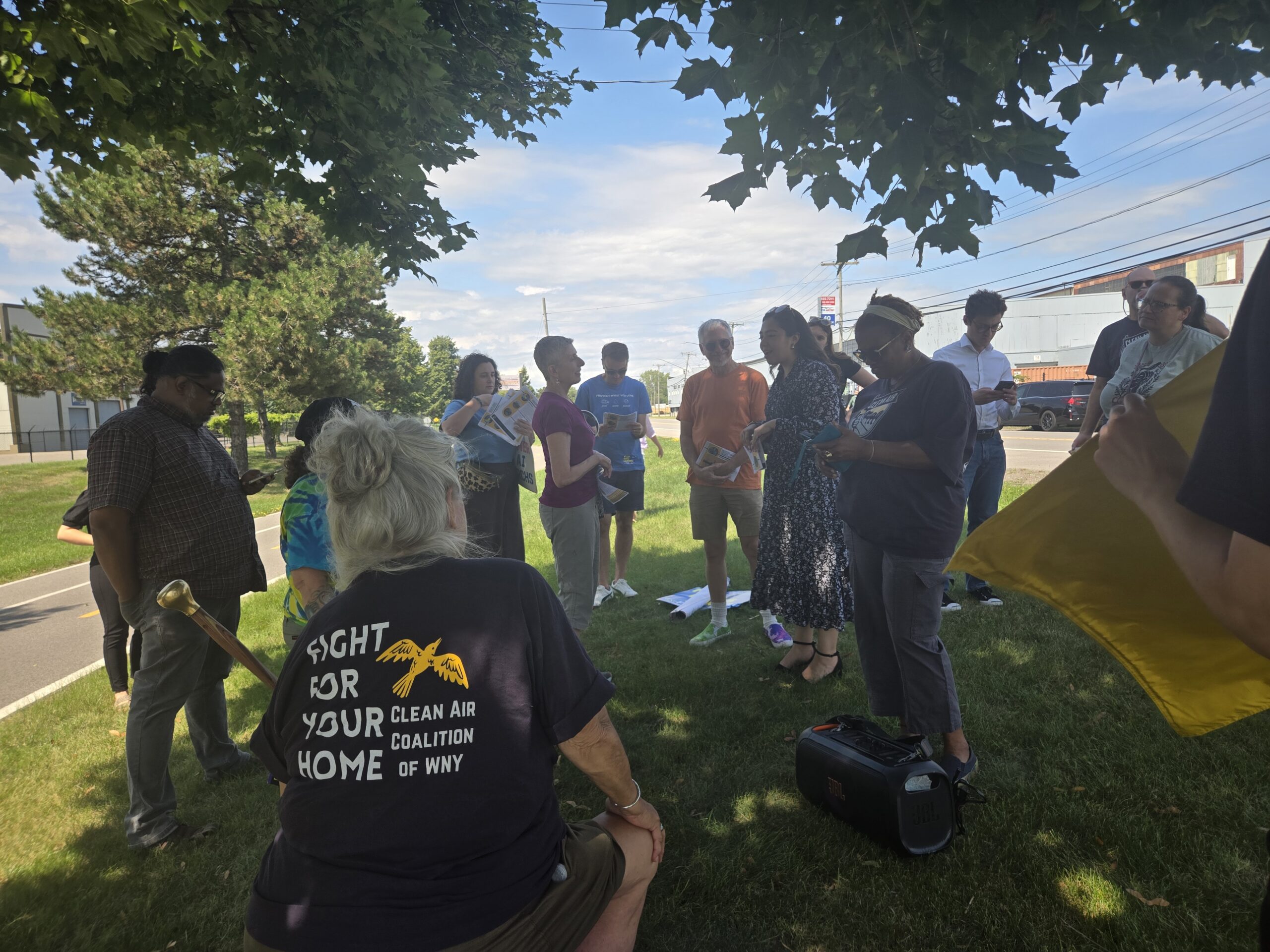
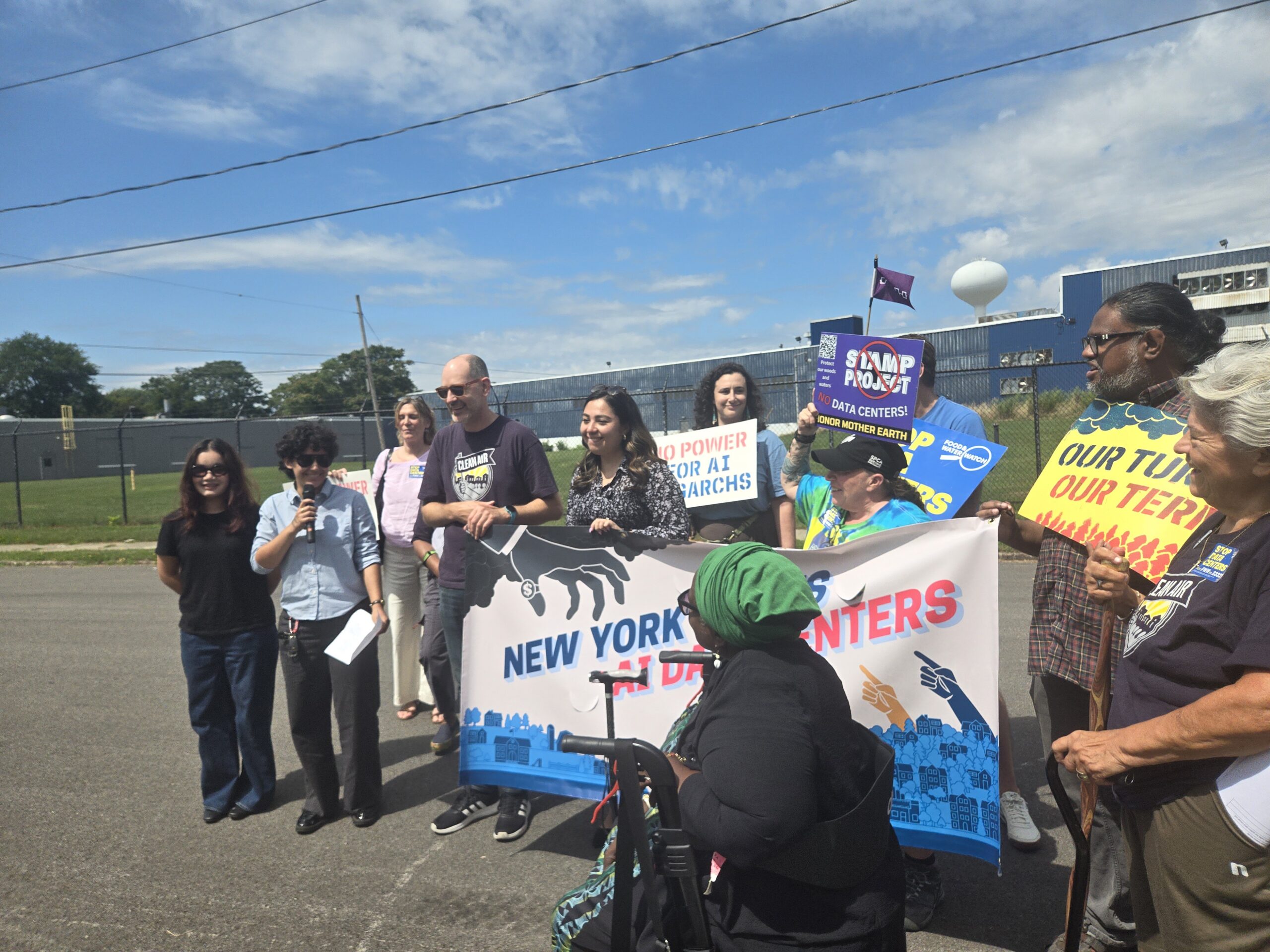
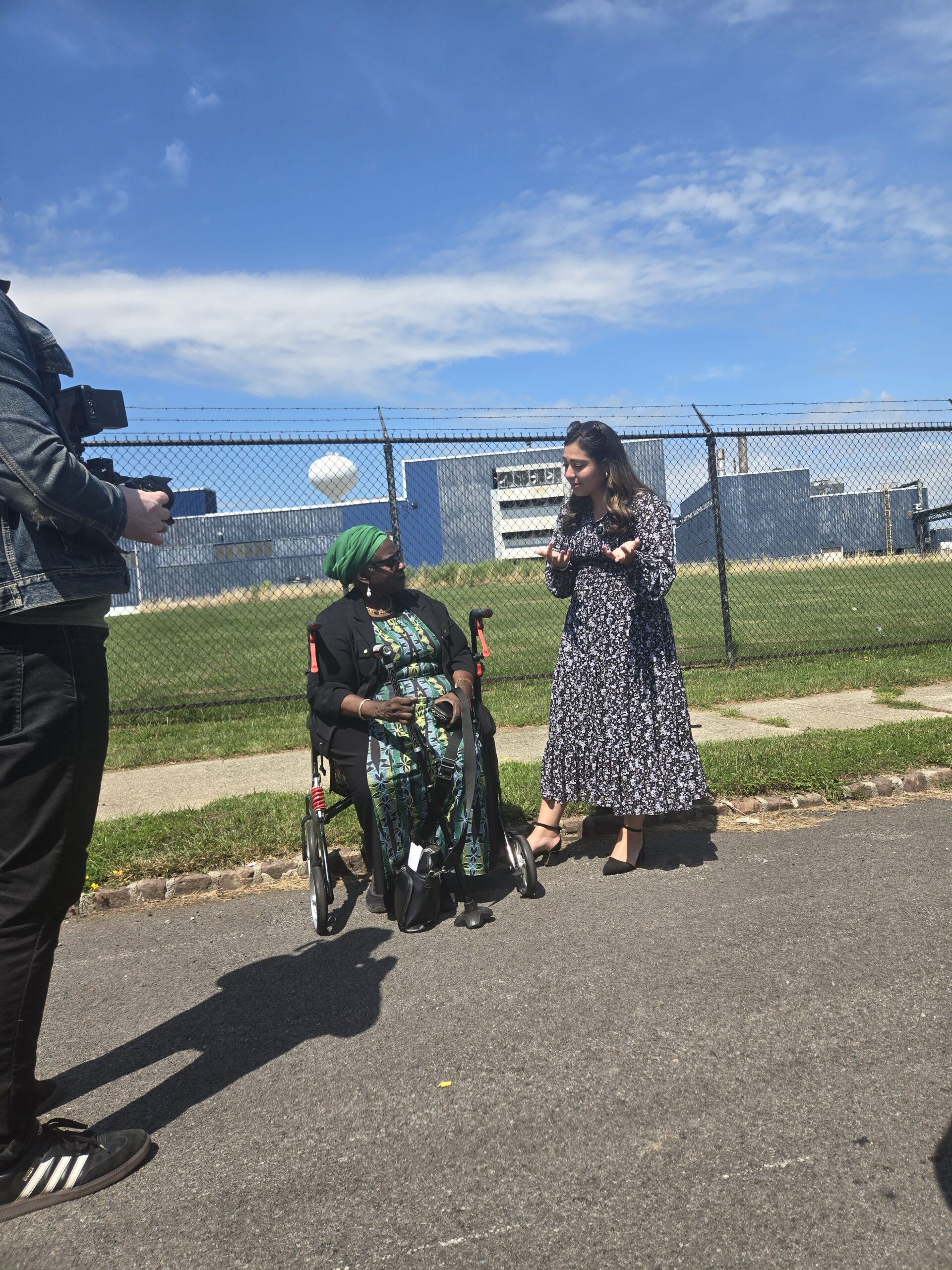
NYS Senator Kristen Gonzalez Kicks Off Statewide “NYS Fights AI Data Centers” with a Clean Air-led Tour of Erie-Niagara Data Center Projects
Erie and Niagara County began grappling with hyperscale data centers a full decade ago, starting with cryptomining operations drawn here by the cheap energy and water resources, local elected officials eager for any new industrial developments, a lack of local regulations, and the possibility of building projects at vacant industrial facilities.
In June, the NYS Assembly and Senate passed the Responsible Data Centers Development Act (S10642/A11560), a bill which would initiate a 1-year moratorium on data center development projects larger than 20MW, and which is tied to a number of regulatory studies and action, including some basic baseline standards, like a statewide comprehensive Environmental Impact Statement study, prevailing wage and “Buy American” requirements, requirements for on-site renewable power, and establishment of a separate water and energy classes for data center projects to prevent costs being passed onto other ratepayers.
In response to hundreds of in-person visits, phone calls, and emails from residents all throughout our region, many WNY representatives voted for this bill, namely Senators Baskin and Zellner, Majority Leader Peoples-Stokes, and Assemblymembers Conrad, McMahon and Rivera.
Governor Hochul followed with an Executive Order which carried forward some of the bill’s provisions, including a 1-year moratorium on data center projects larger than 50MW. While we at the Clean Air Coalition of WNY applaud the Governor’s bold action, the first of its kind in the nation which immediately put a pause on the most concerning private sector hyperscale data center projects across the state, we still urge her to sign the RDCDA, as it is wider in scope.
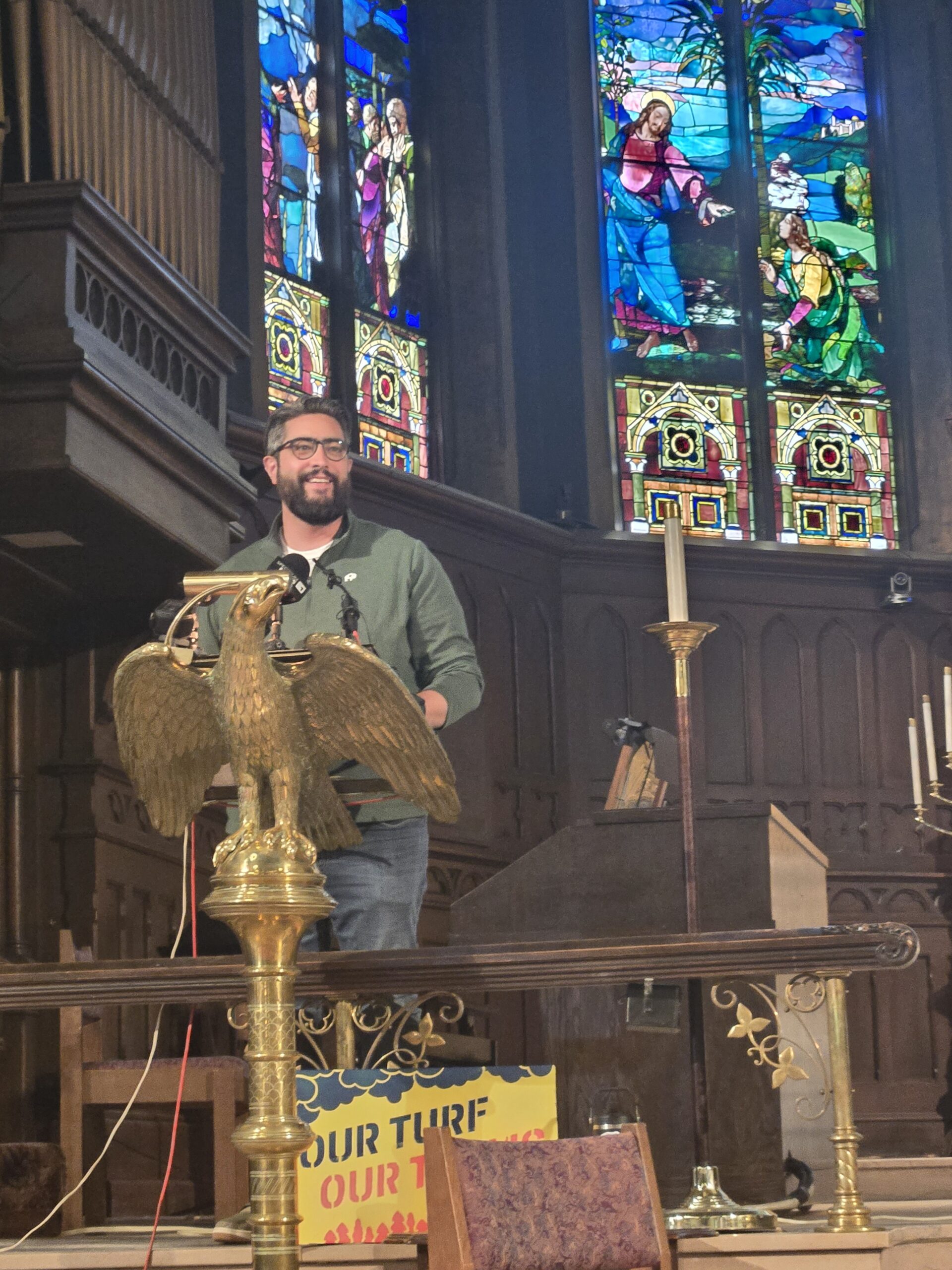
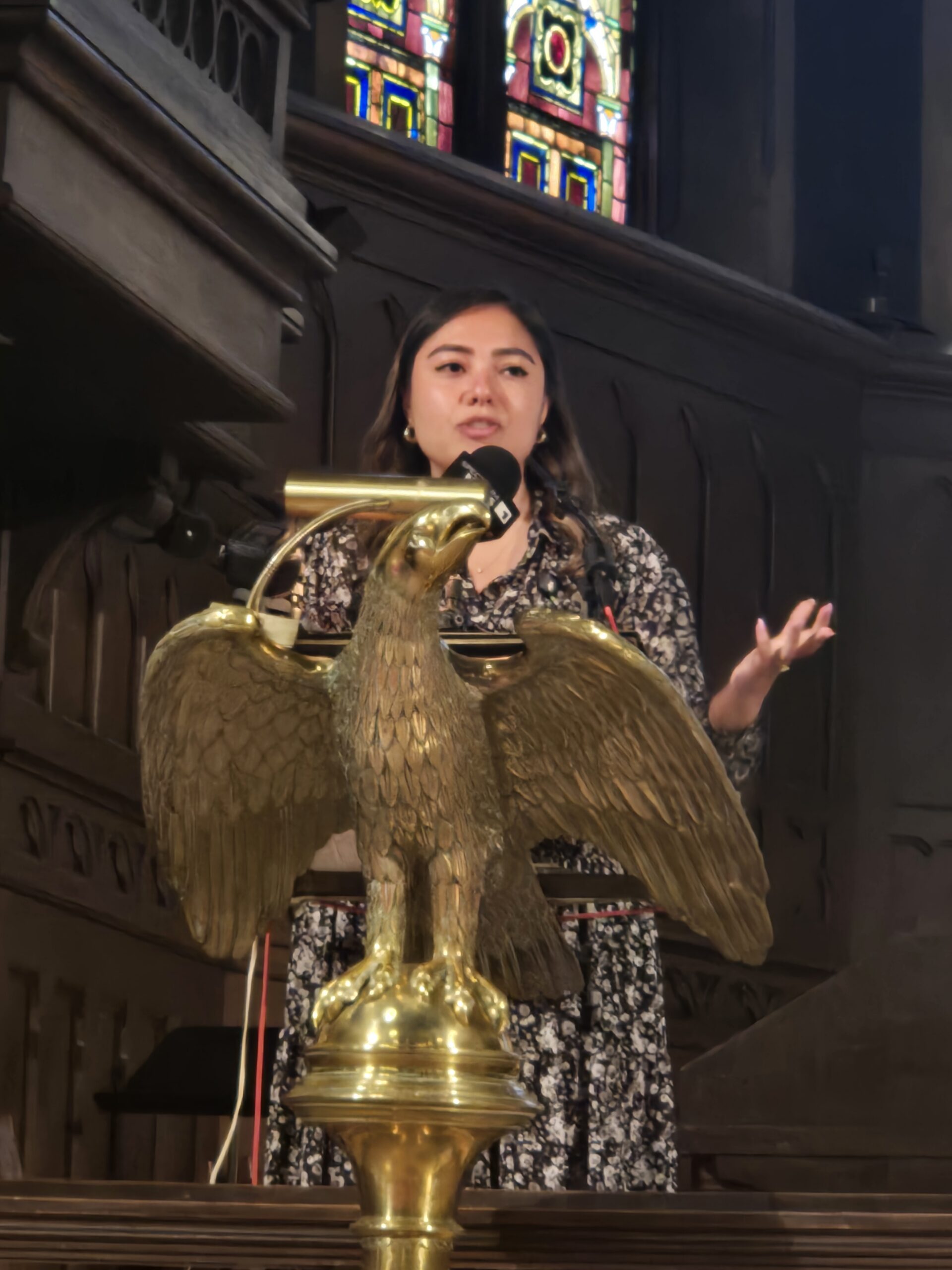
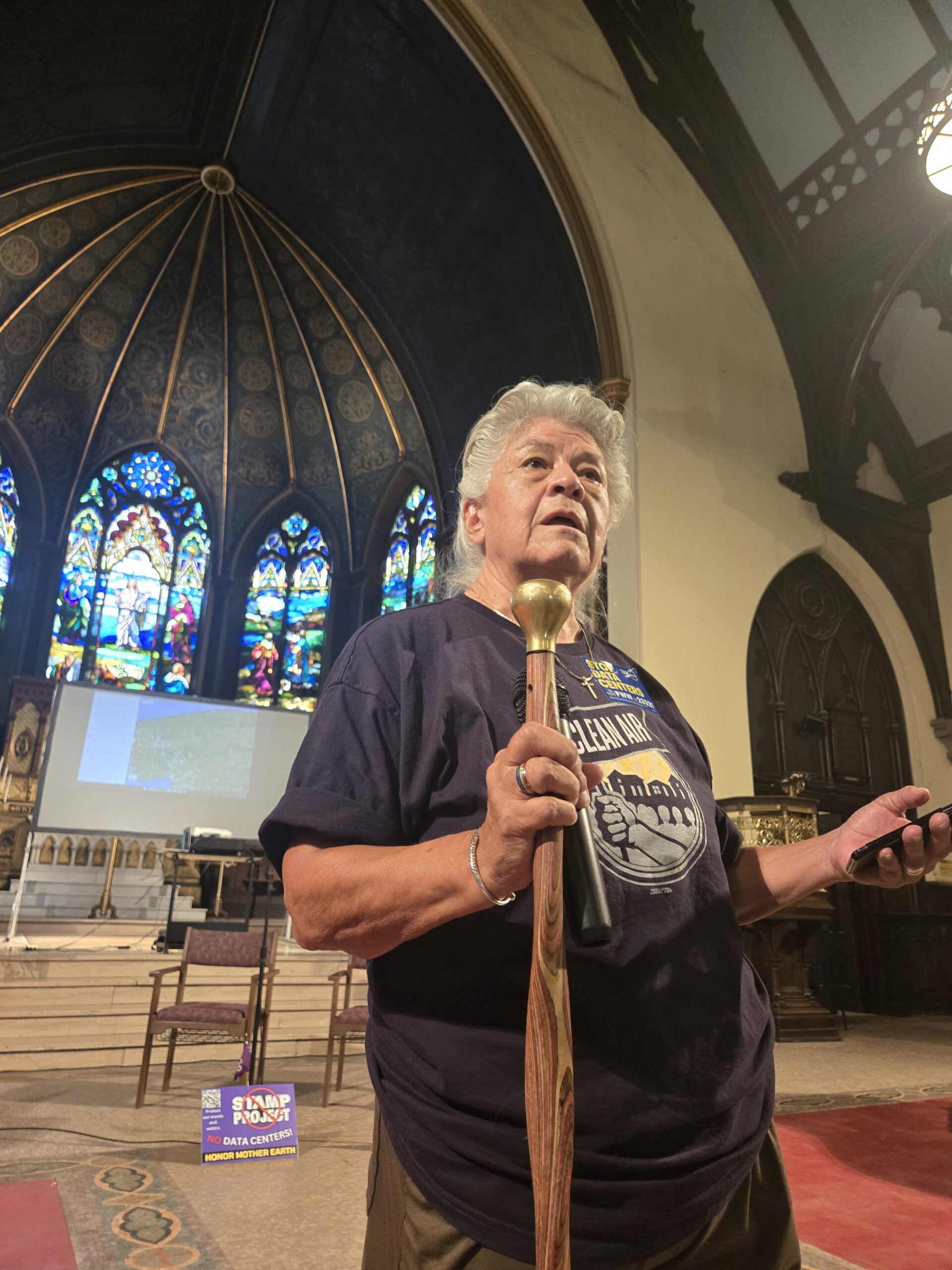
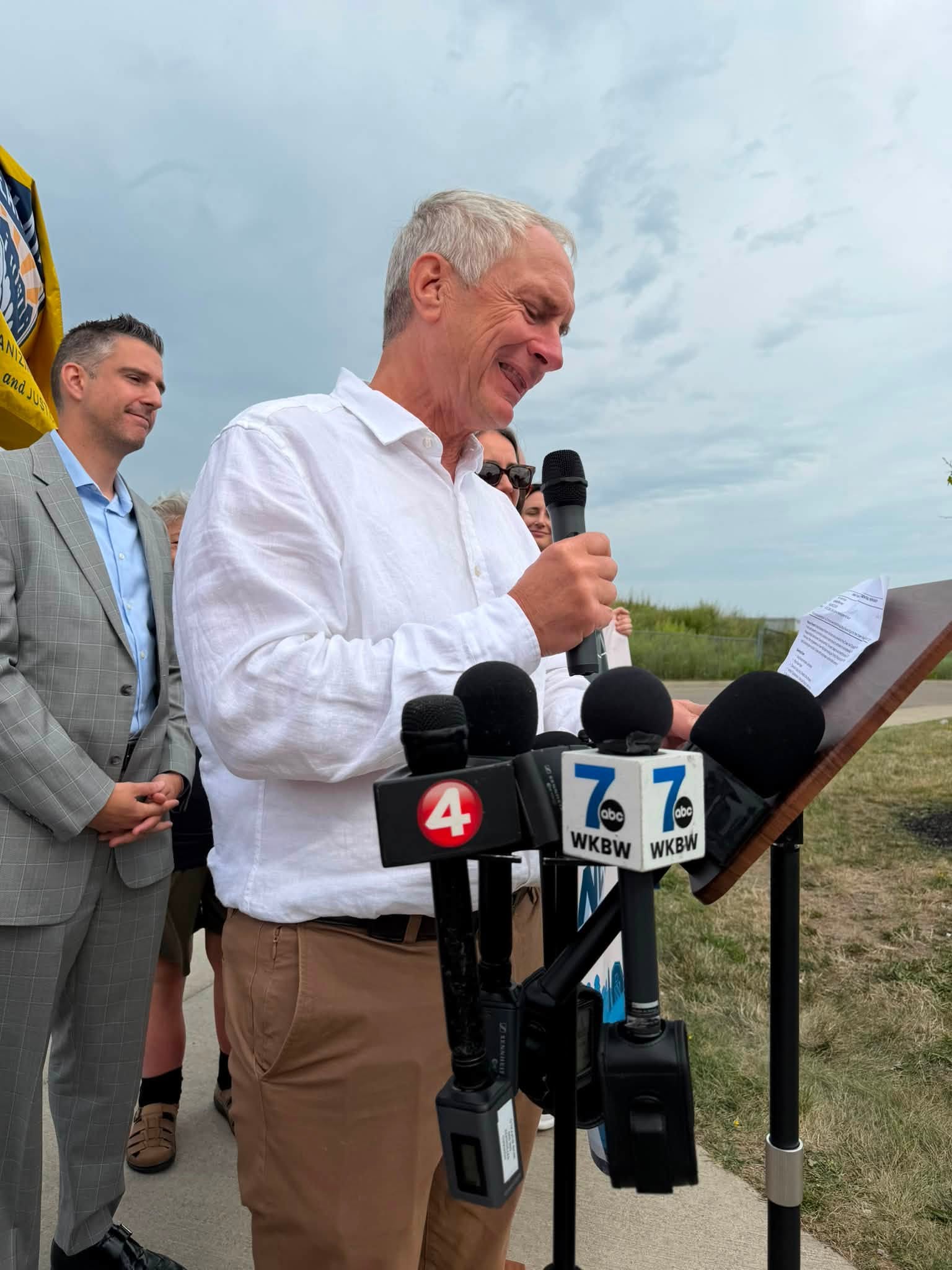
Given all this, when State Senator Kristen Gonzalez, the Chair of the Senate Internet and Technology Committee, reached out to let us know that she was kicking off a statewide NYS Fights AI Data Centers Tour with a stop in Buffalo, we jumped at the opportunity to give her a full court tour.
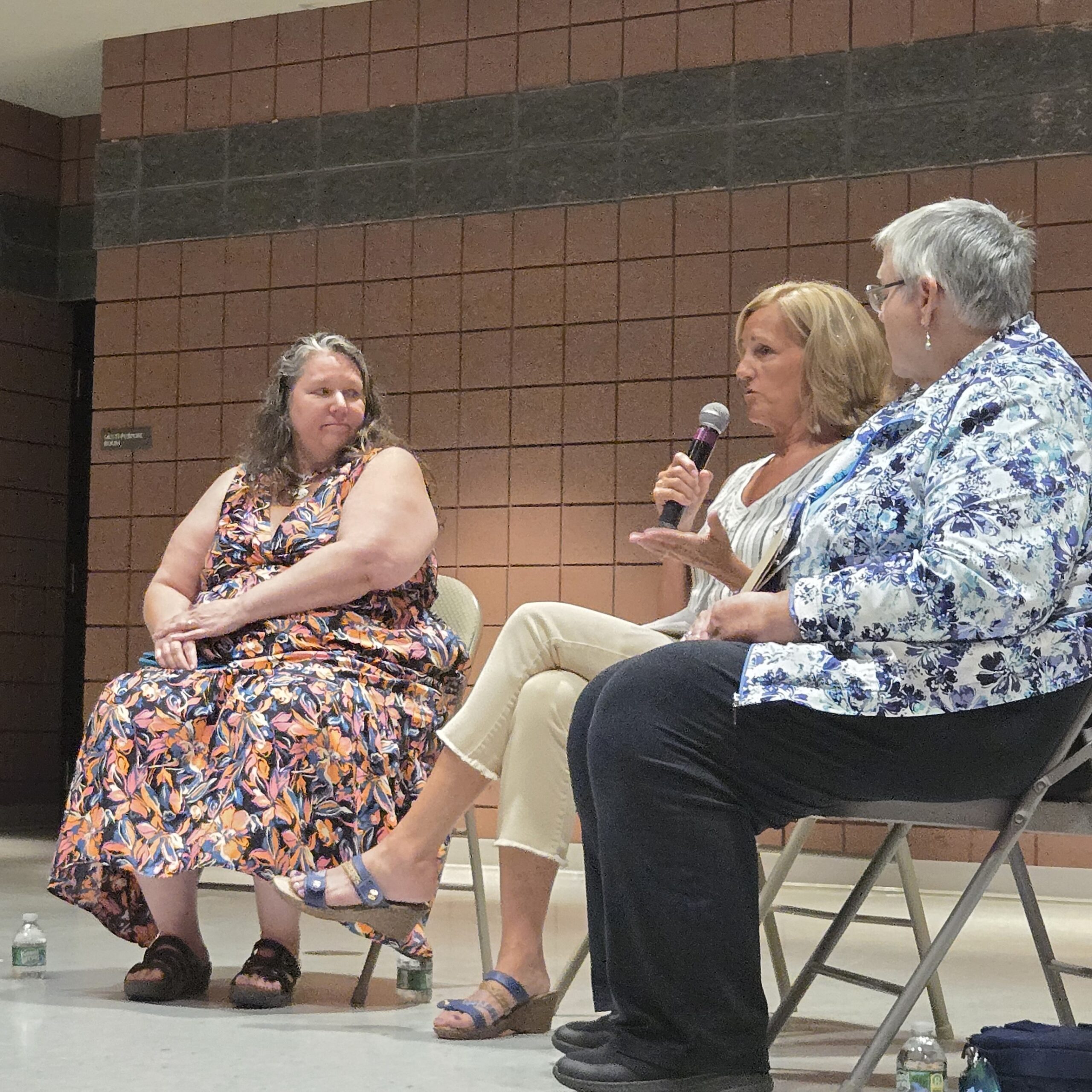
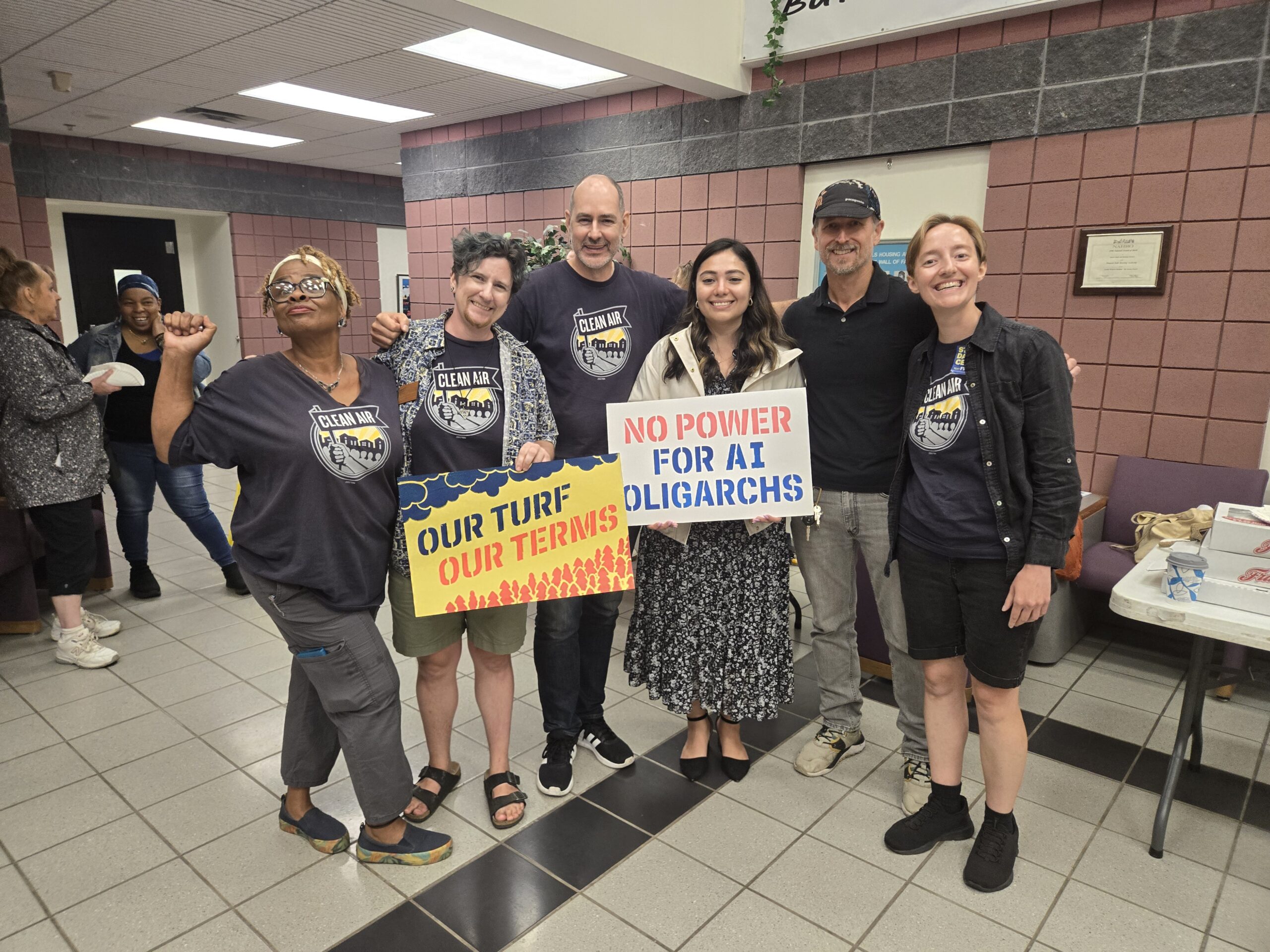
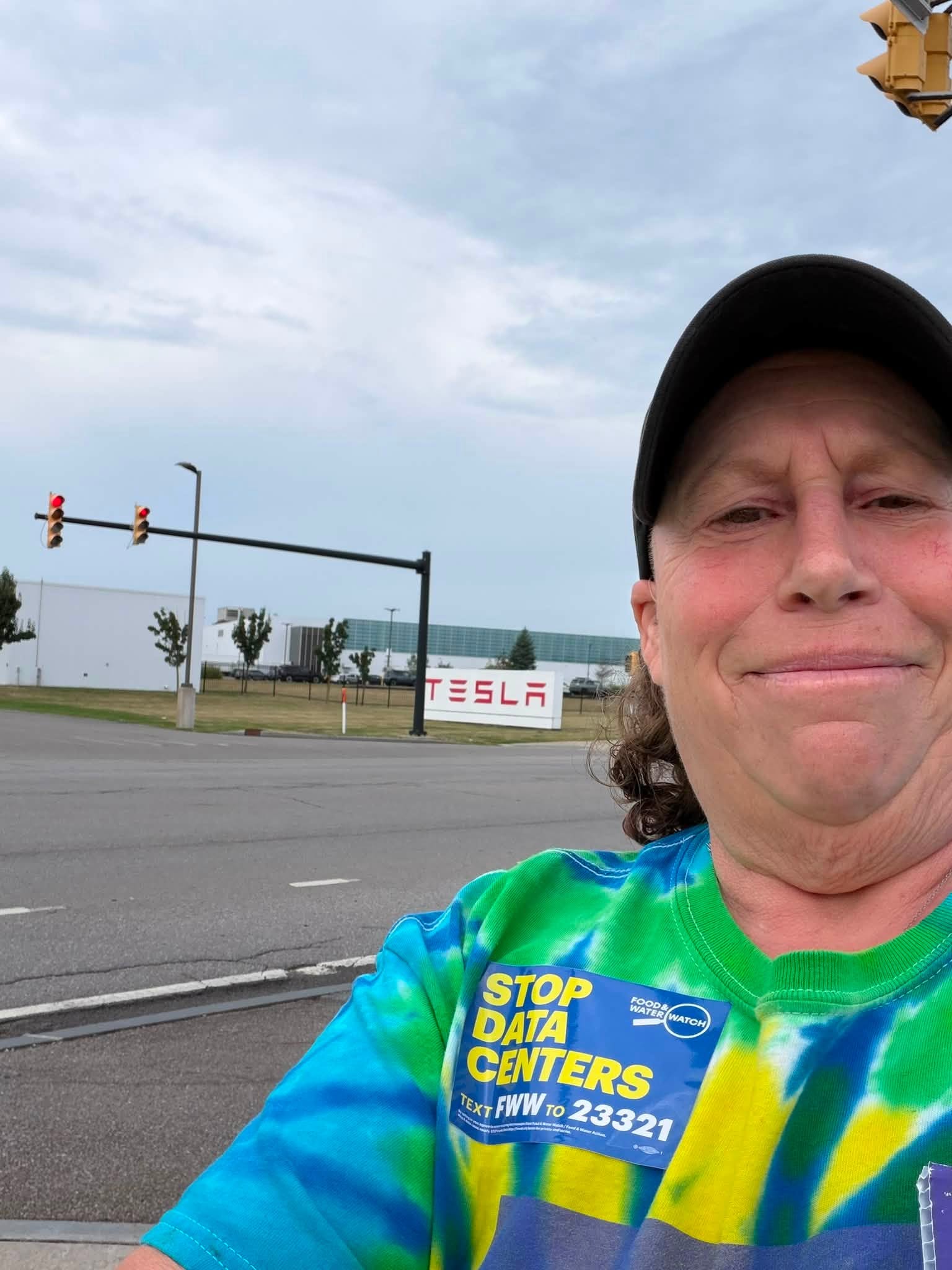
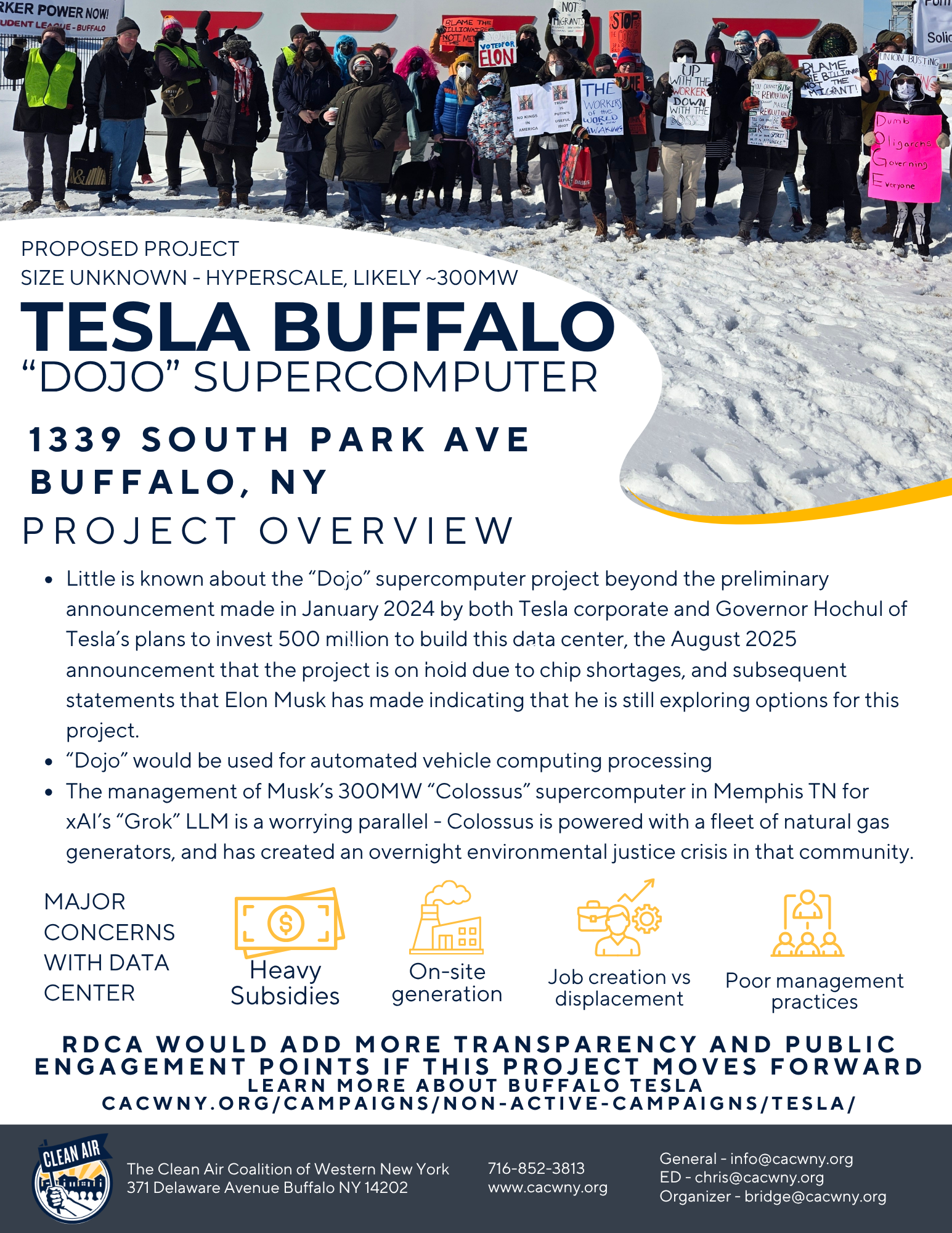
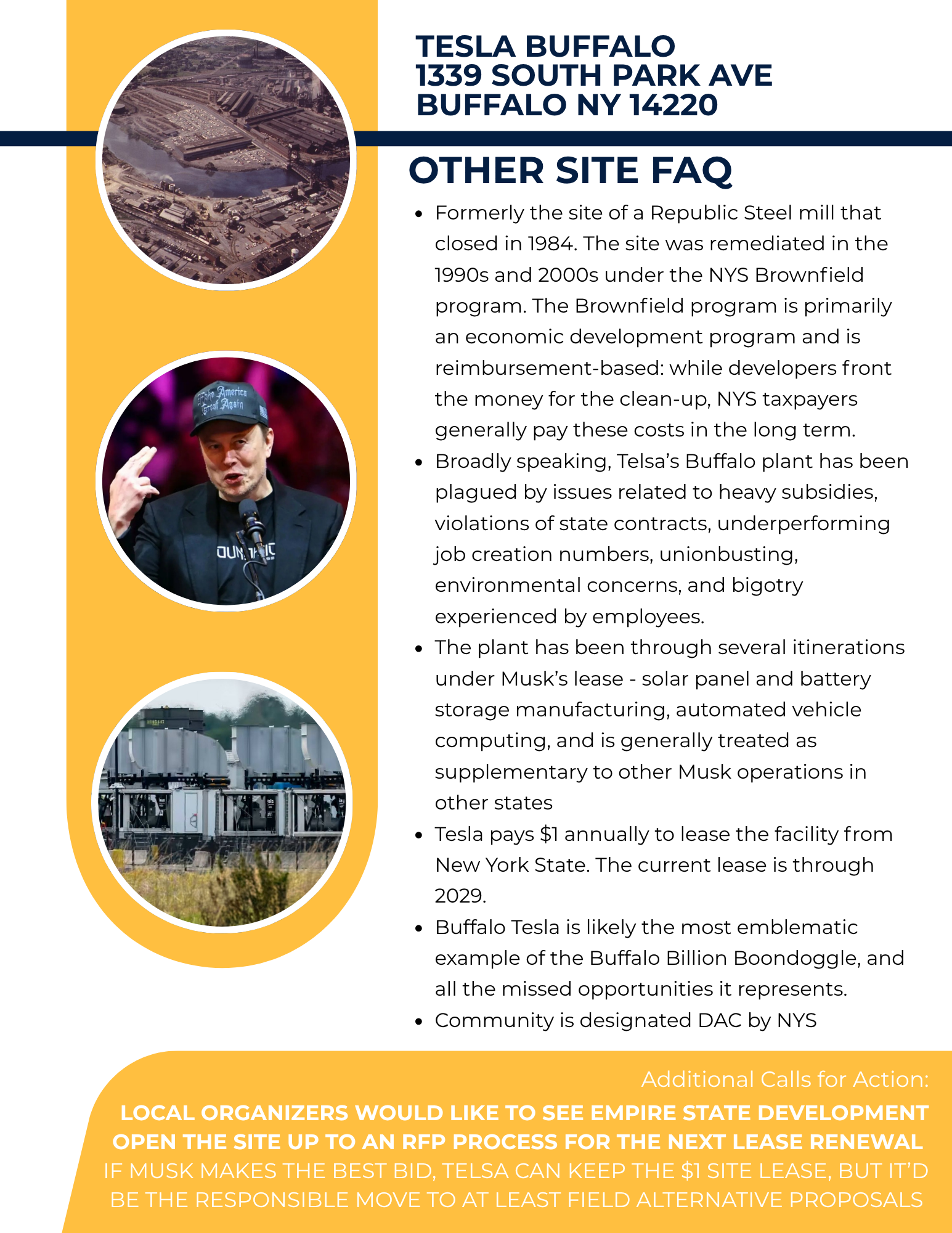
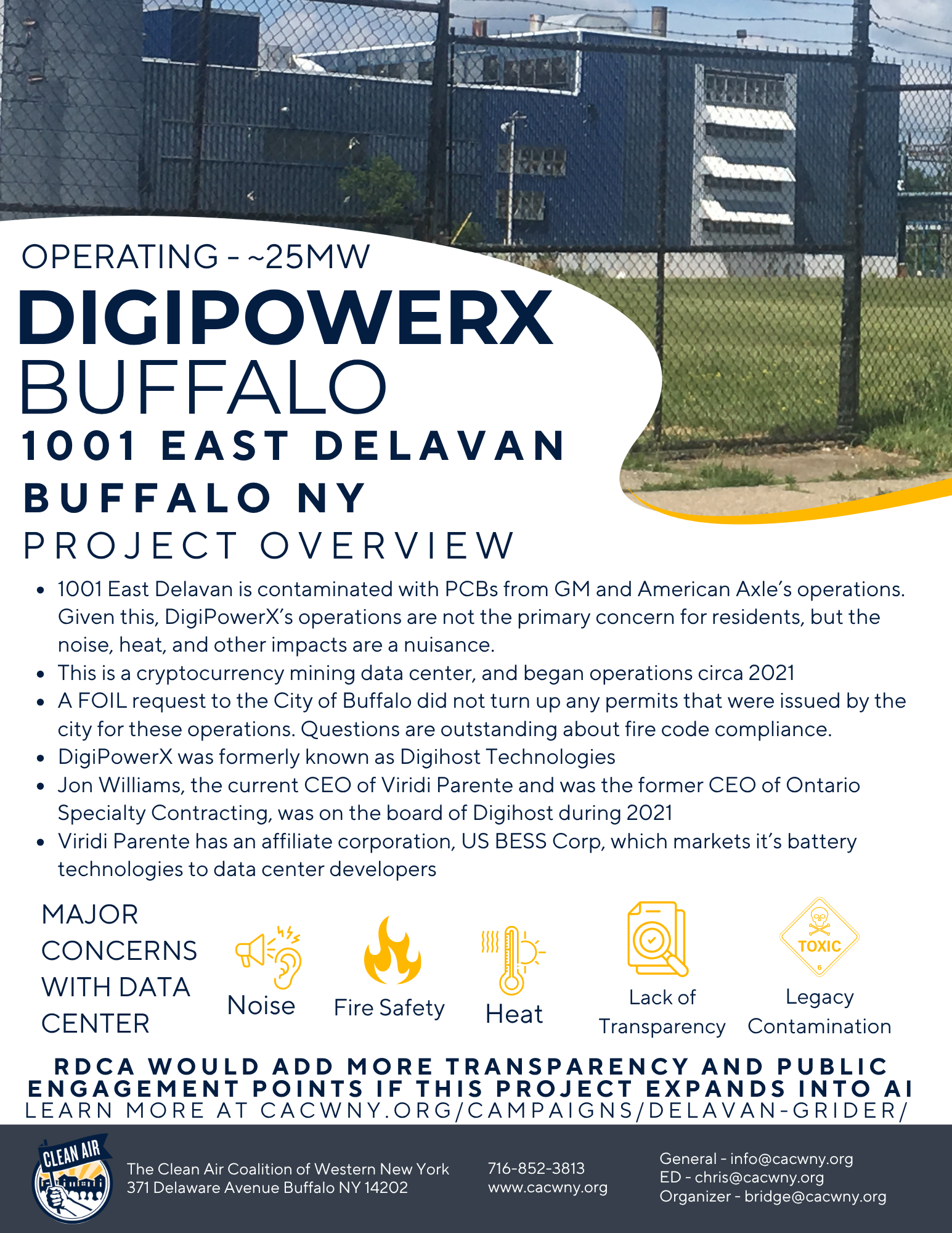
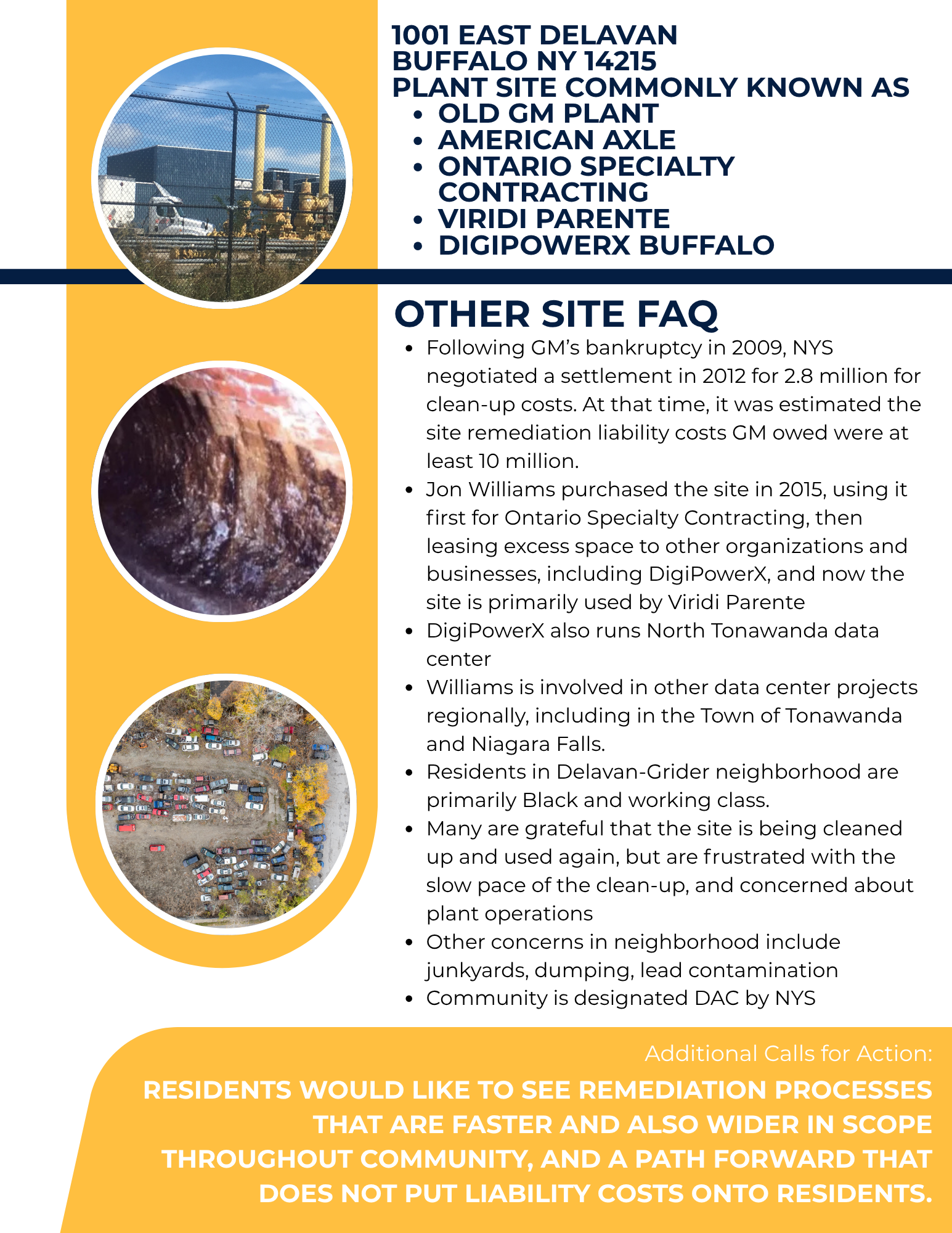
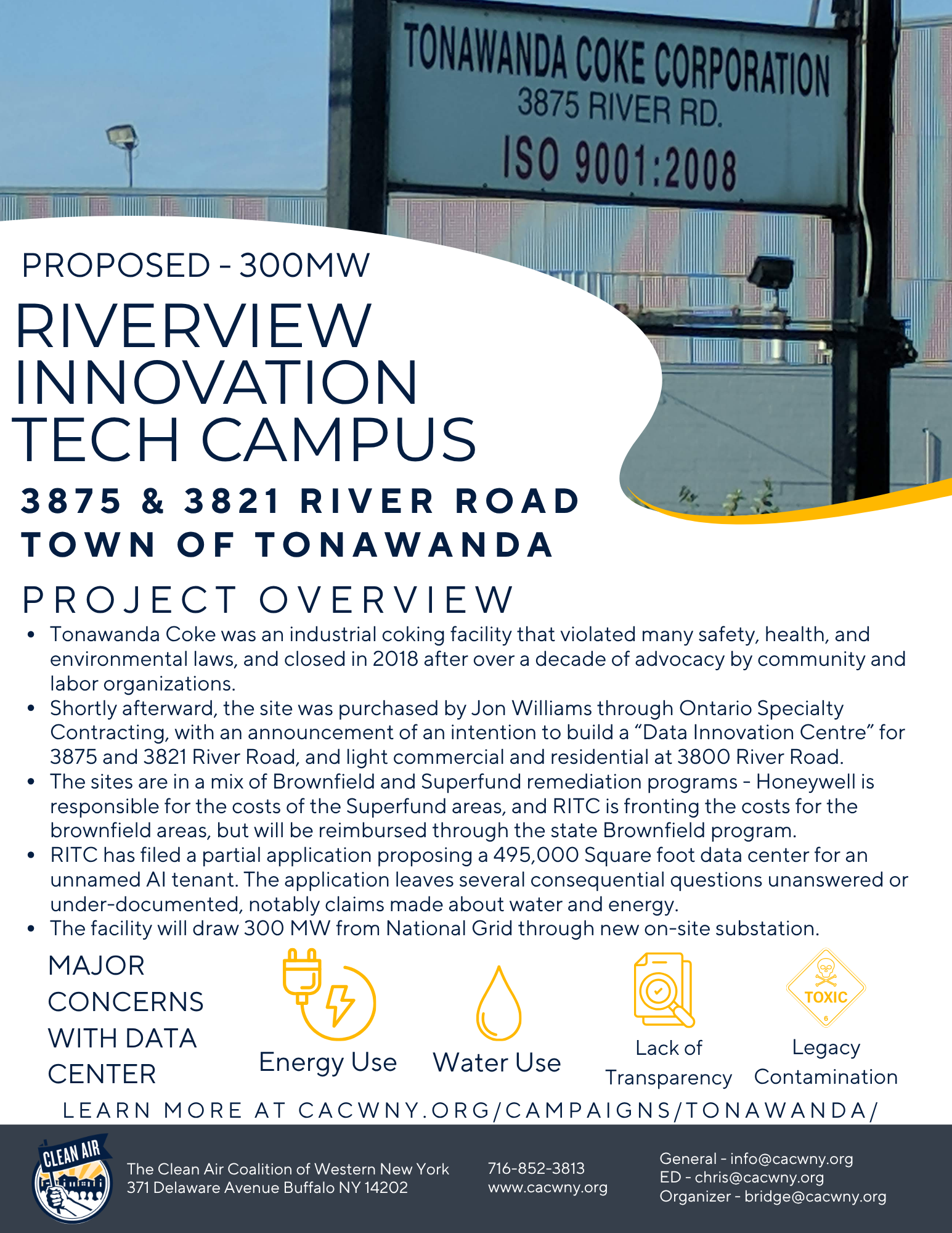
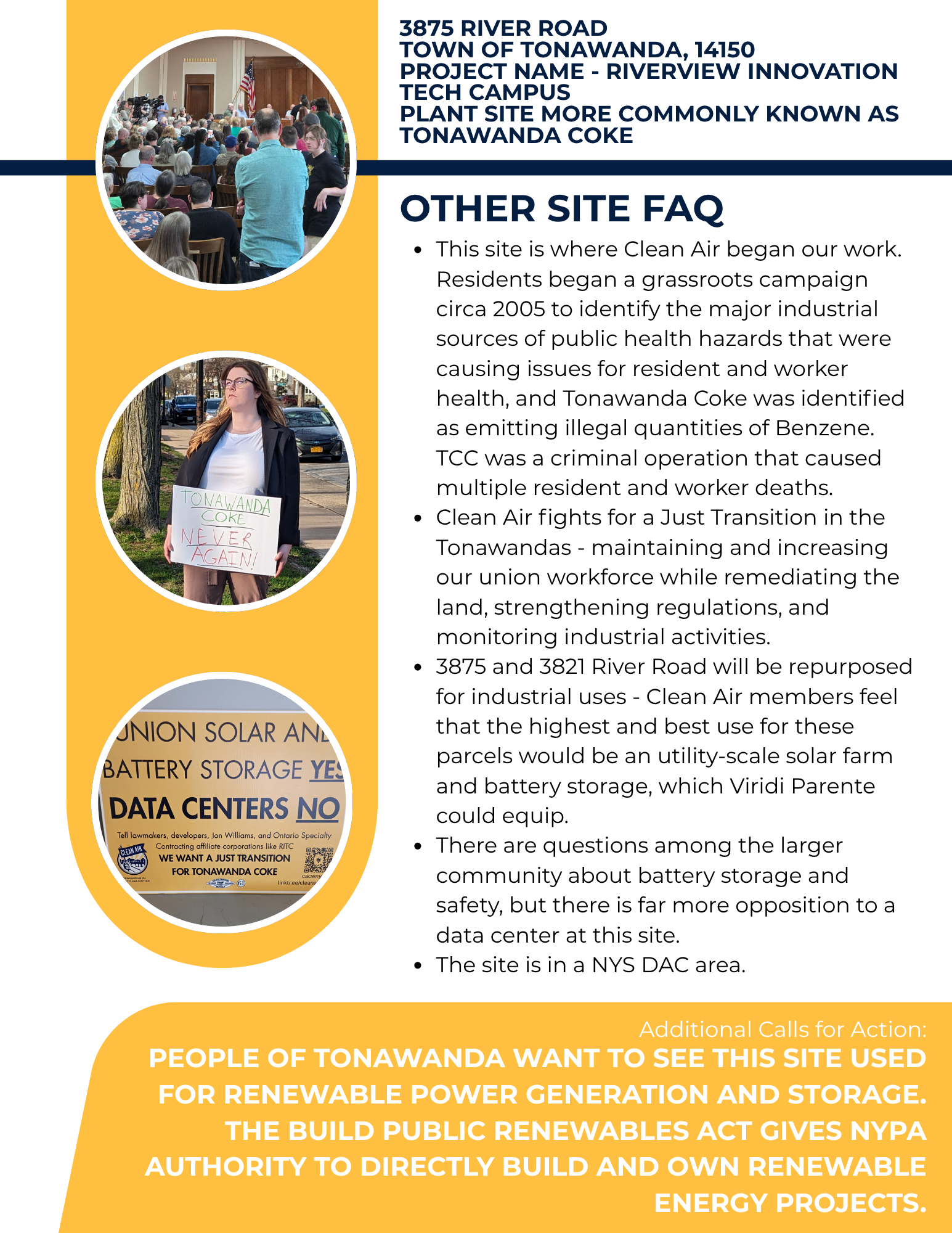
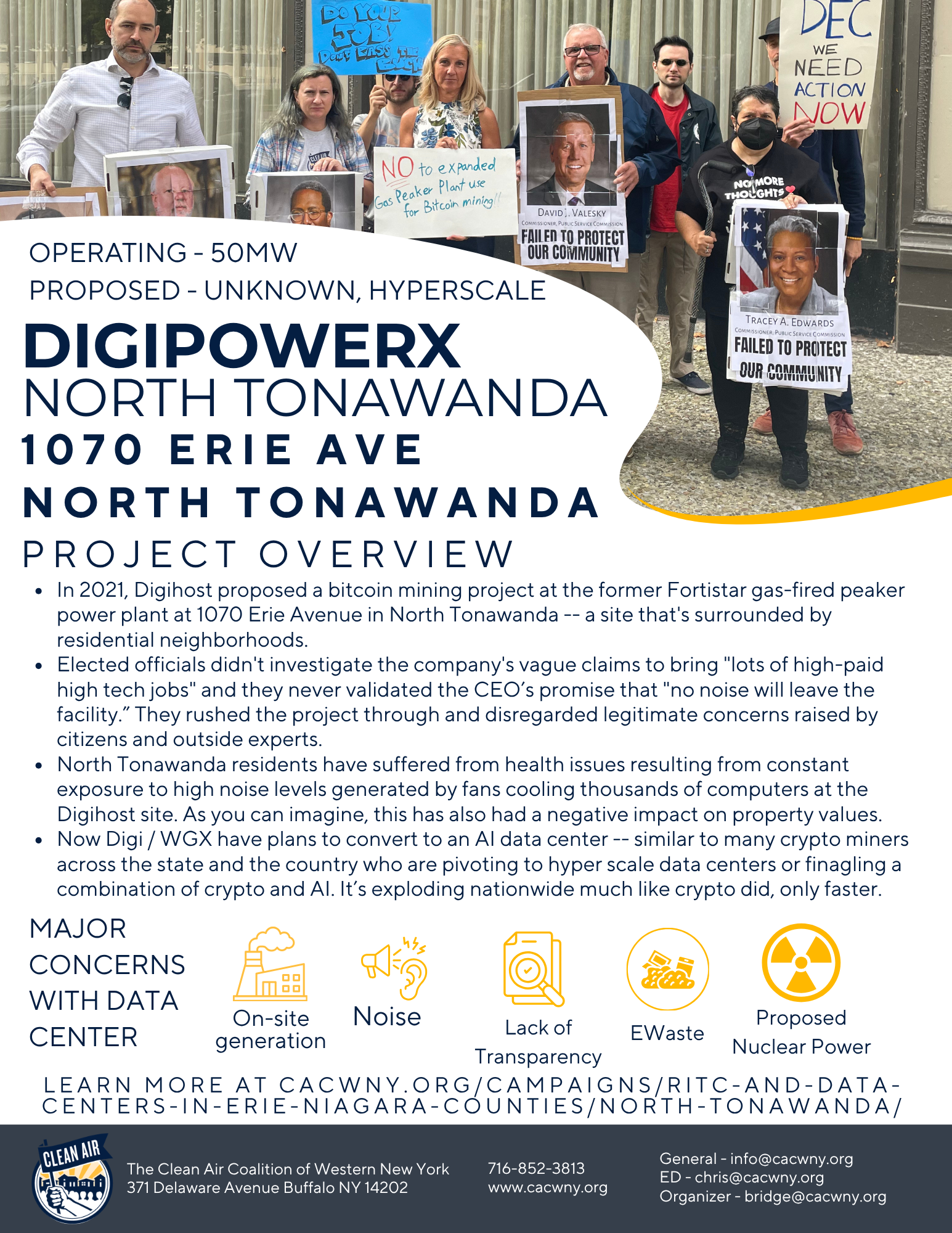
Instead of the initial plan for a single town hall in Buffalo, our members instead led her through two town halls in Buffalo and Niagara Falls, and to six separate site visit stops to operating or proposed data center sites – a stop at the Tesla plant where Elon Musk has pursued the “Dojo” supercomputer, one at 1001 East Delavan in Buffalo (the former American Axle) where DigiPowerX operates a 19MW cryptomine, the Riverview Innovation Tech Campus at the the former Tonawanda Coke site, a stop at a resident’s home in North Tonawanda affected by the troubled DigiPowerX site, and two in Niagara Falls, the proposed 500 MW North East Data project in the Buffalo Avenue corridor and a stop at a historic site threatened by the Niagara Falls Redevelopment 140MW proposal. At the town halls, we also invited residents from other site fights in Erie and Niagara that we were not able to fit in the tour, like the TeraWulf data center in Barker NY, to participate in the panel discussions.
At every site, Senator Gonzalez and other state and local elected officials heard from residents not only about how these projects have upended their lives, but about how these projects add to existing environmental justice burdens like the current radiological crisis currently unfolding, and their visions for a more equitable future of industry rooted not in the same extractive economics which have stolen from our communities for generations, but instead in unionized renewable energy generated by and for our area.
Hyperscale data centers may or may not have a future in WNY – but local communities should make that determination, and should determine their own guidelines for how these projects should be built and operated. The Governor signing the Responsible Data Centers Development Act would put us closer to that future – click here to send her a letter urging her to take this important next step, and click here to send a letter to the leadership of Ontario Specialty Contracting and RITC to urge them to change their planned future use of the former Tonawanda Coke site from a data center to renewable energy projects.
Below are some photos of the day, as well as FAQ sheets we developed and shared for each site.

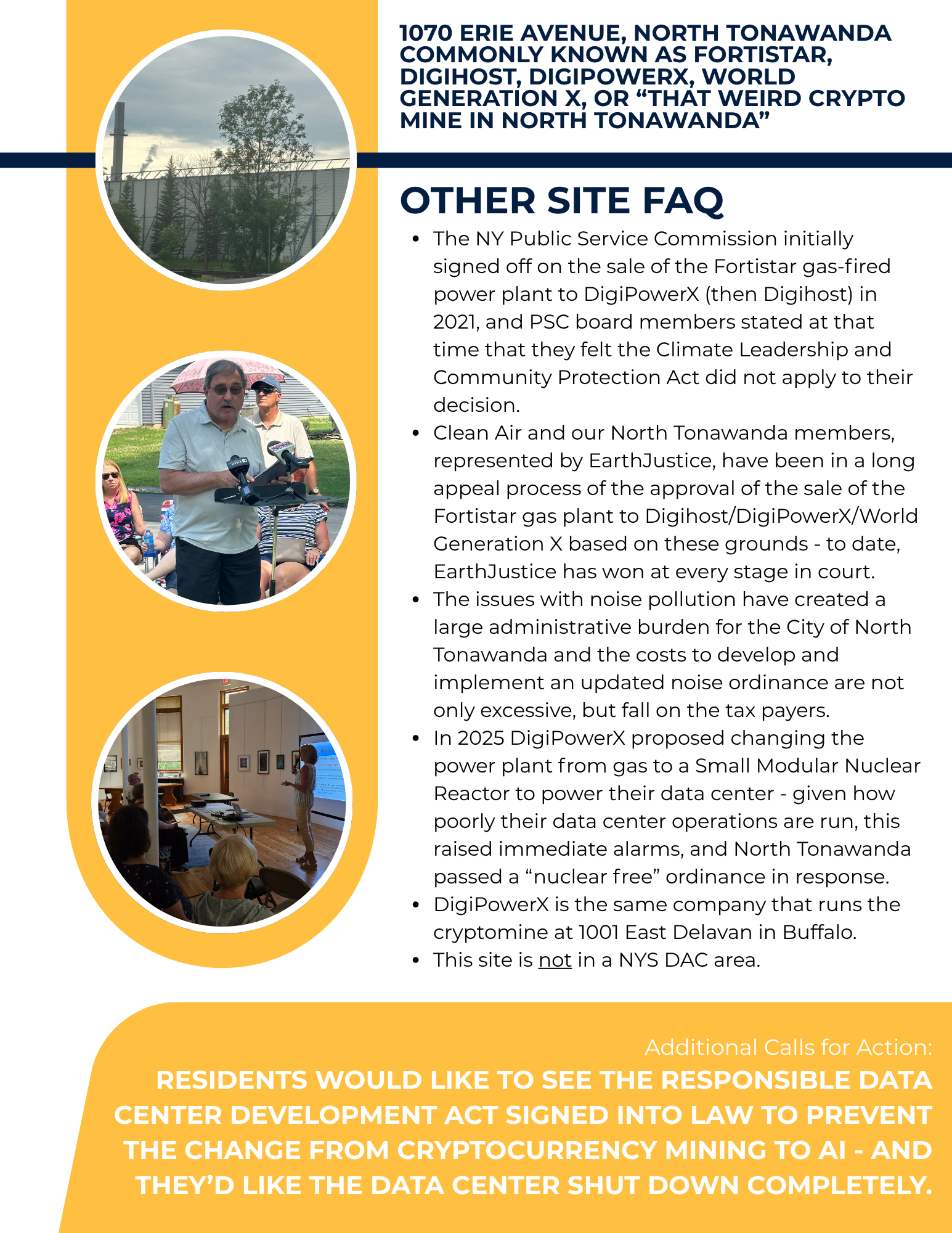
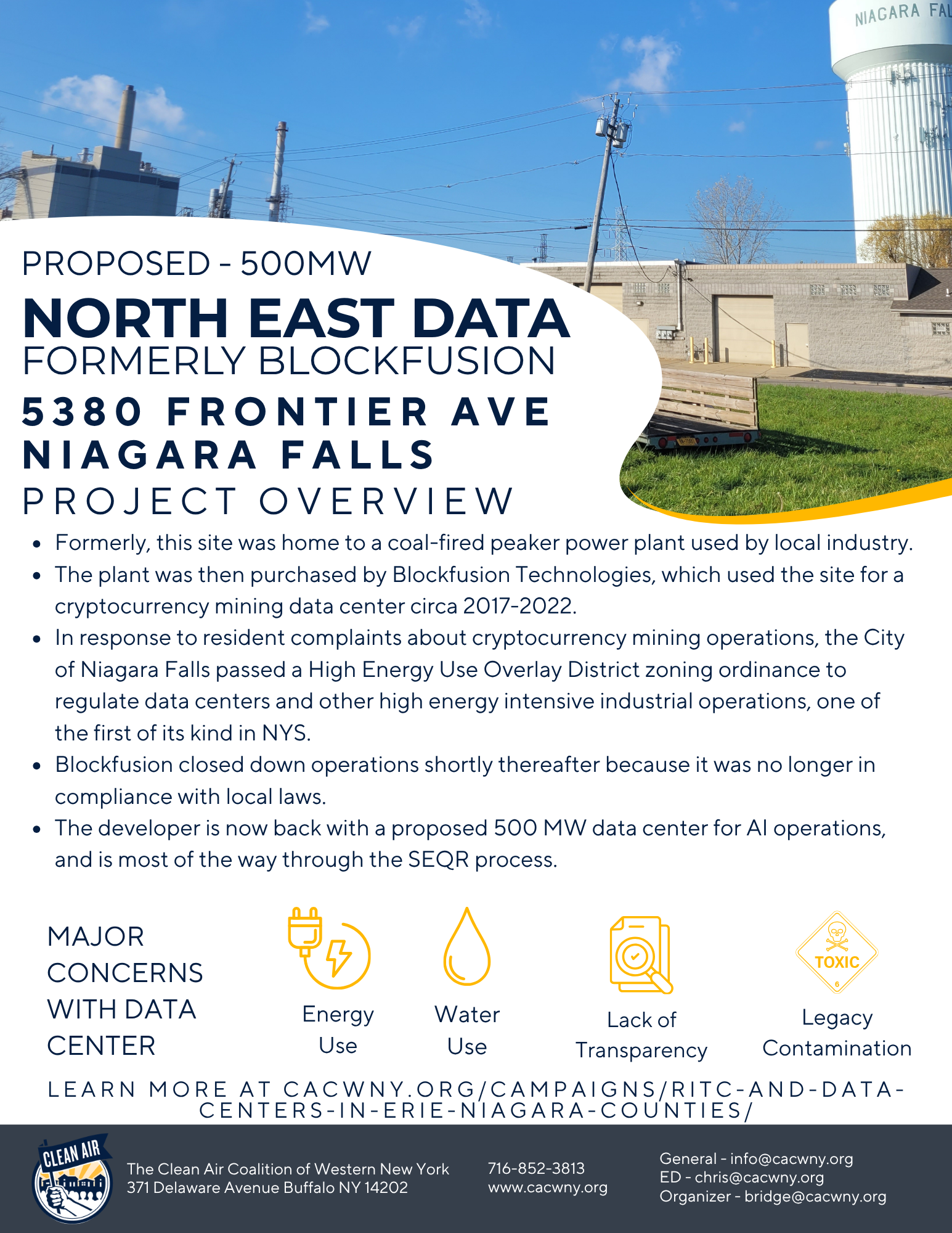
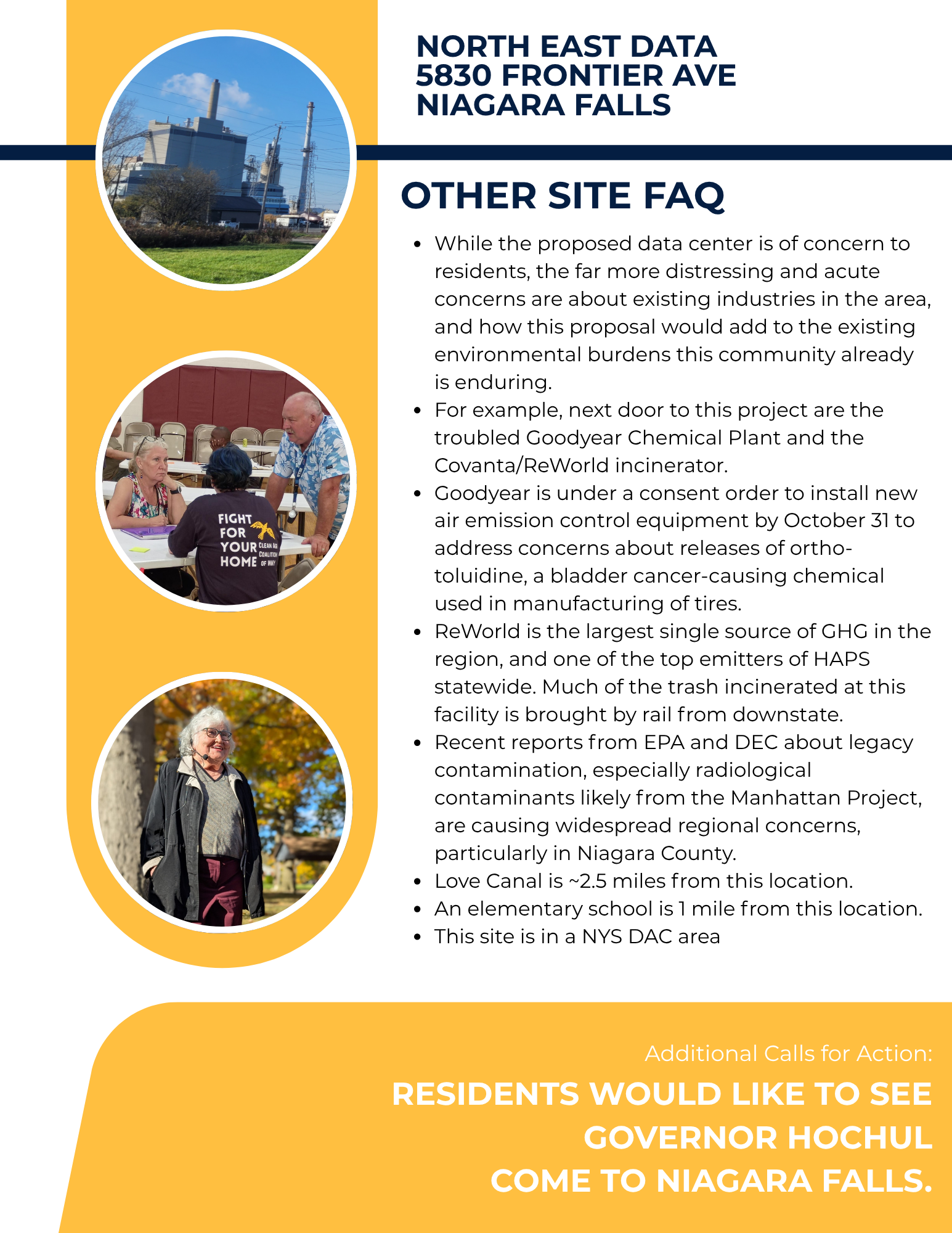
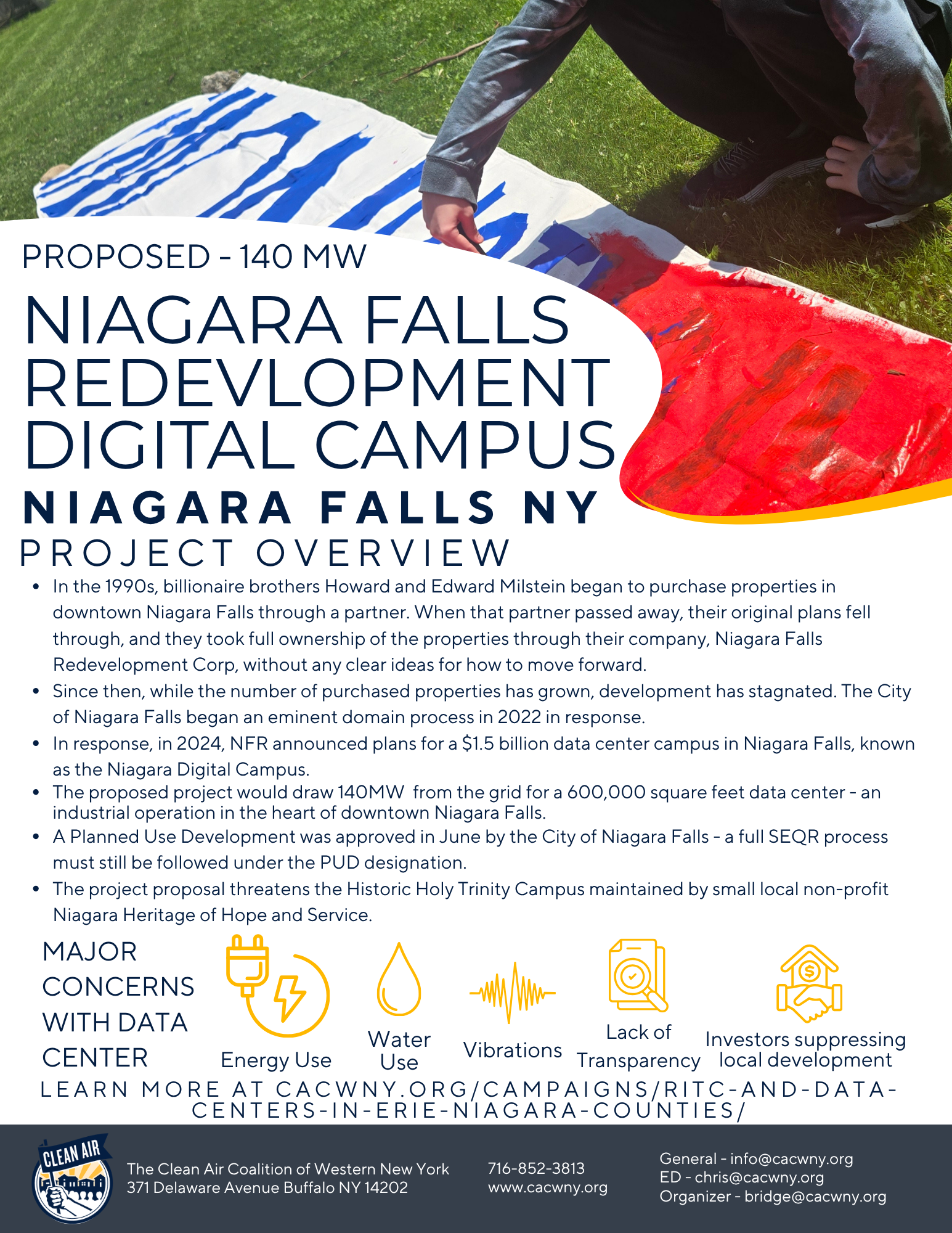
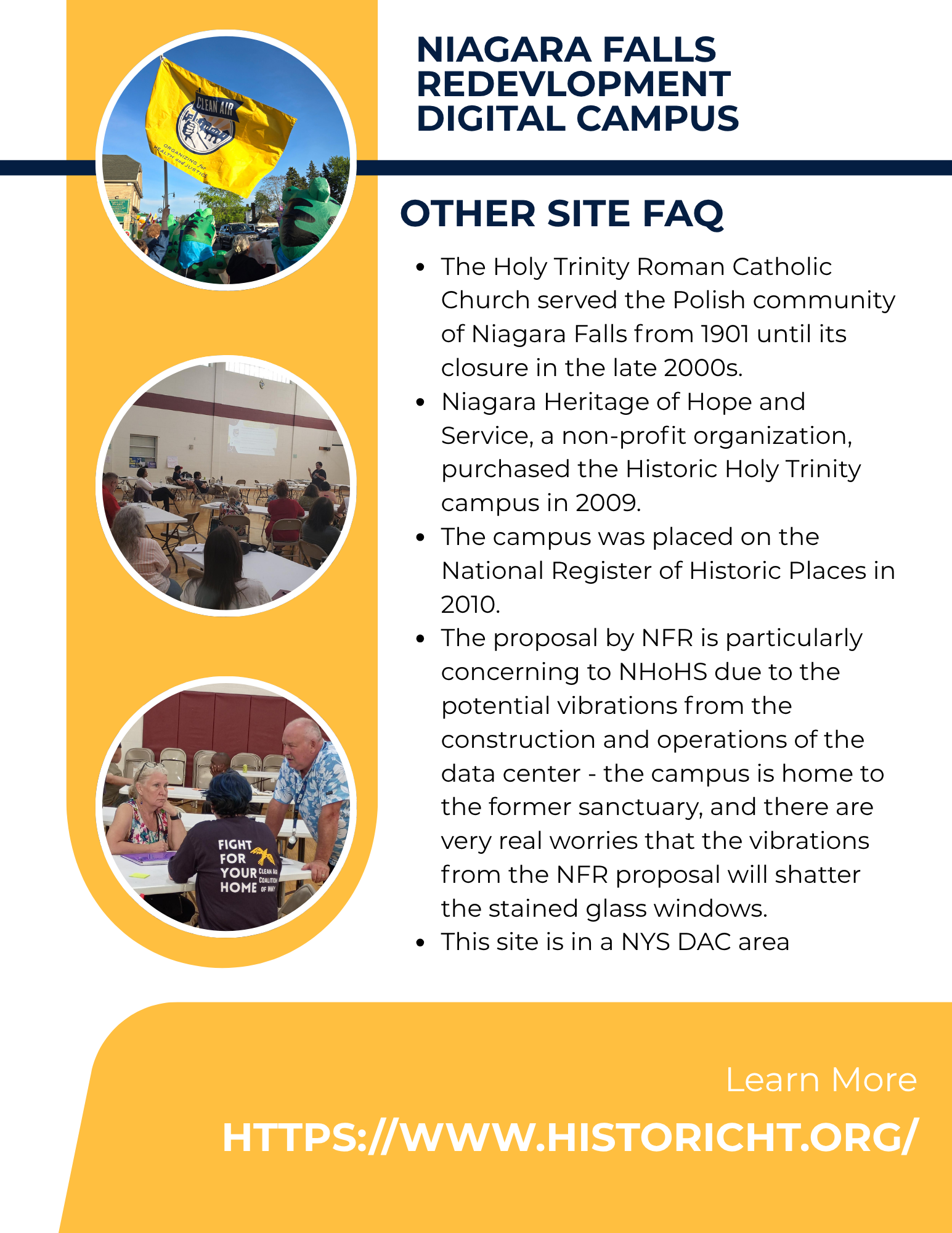
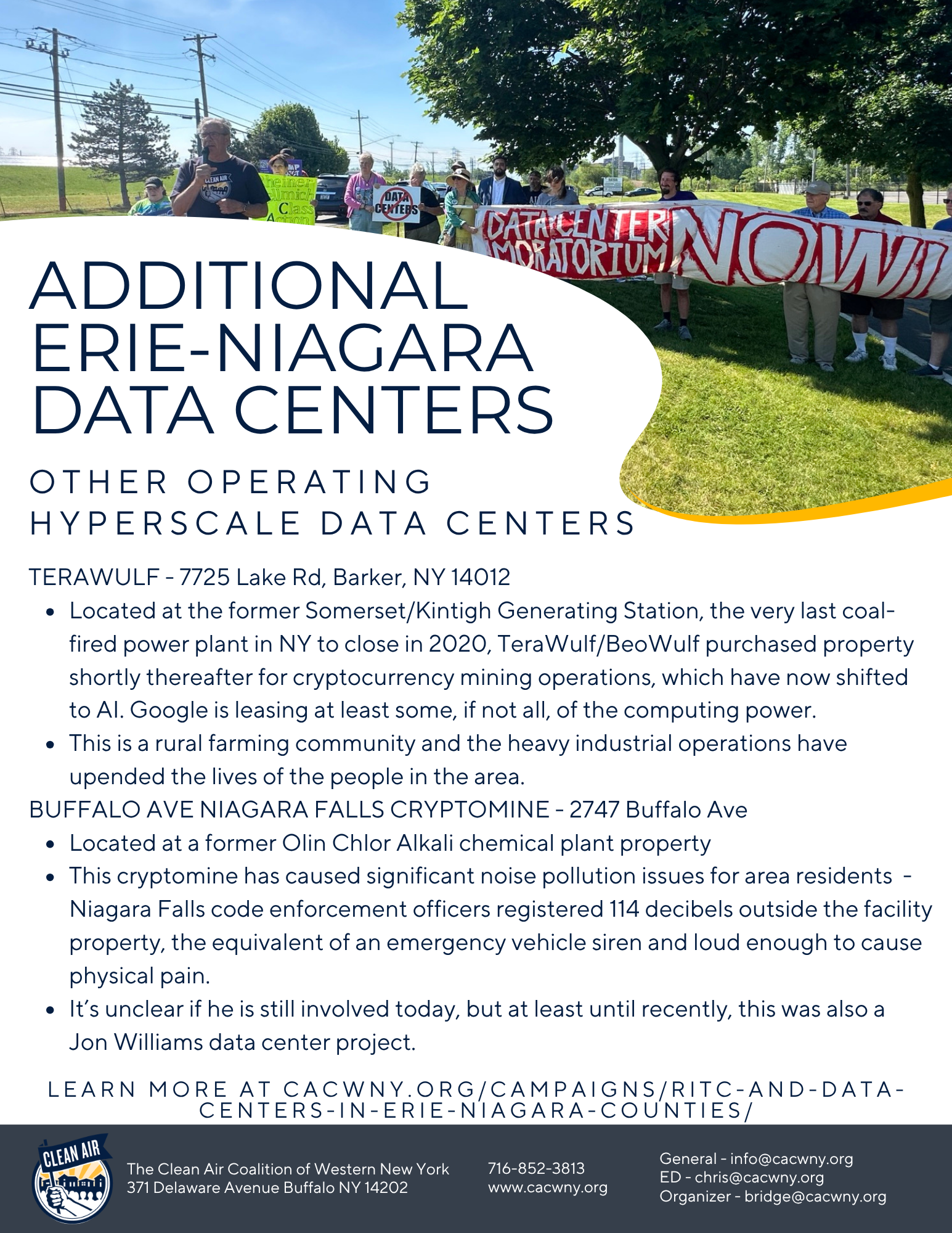
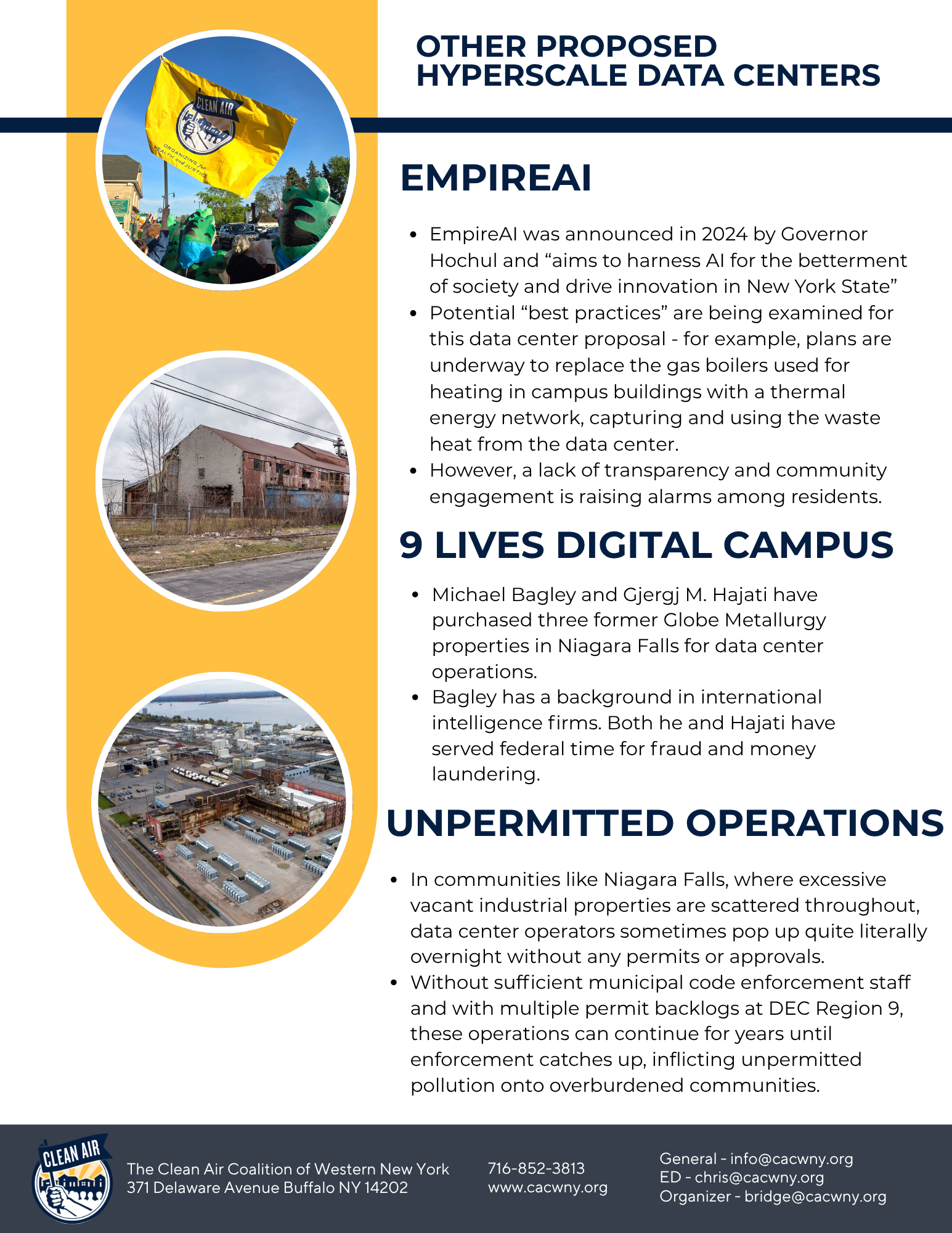
Data Center Town Halls with Senator Kristen Gonzalez
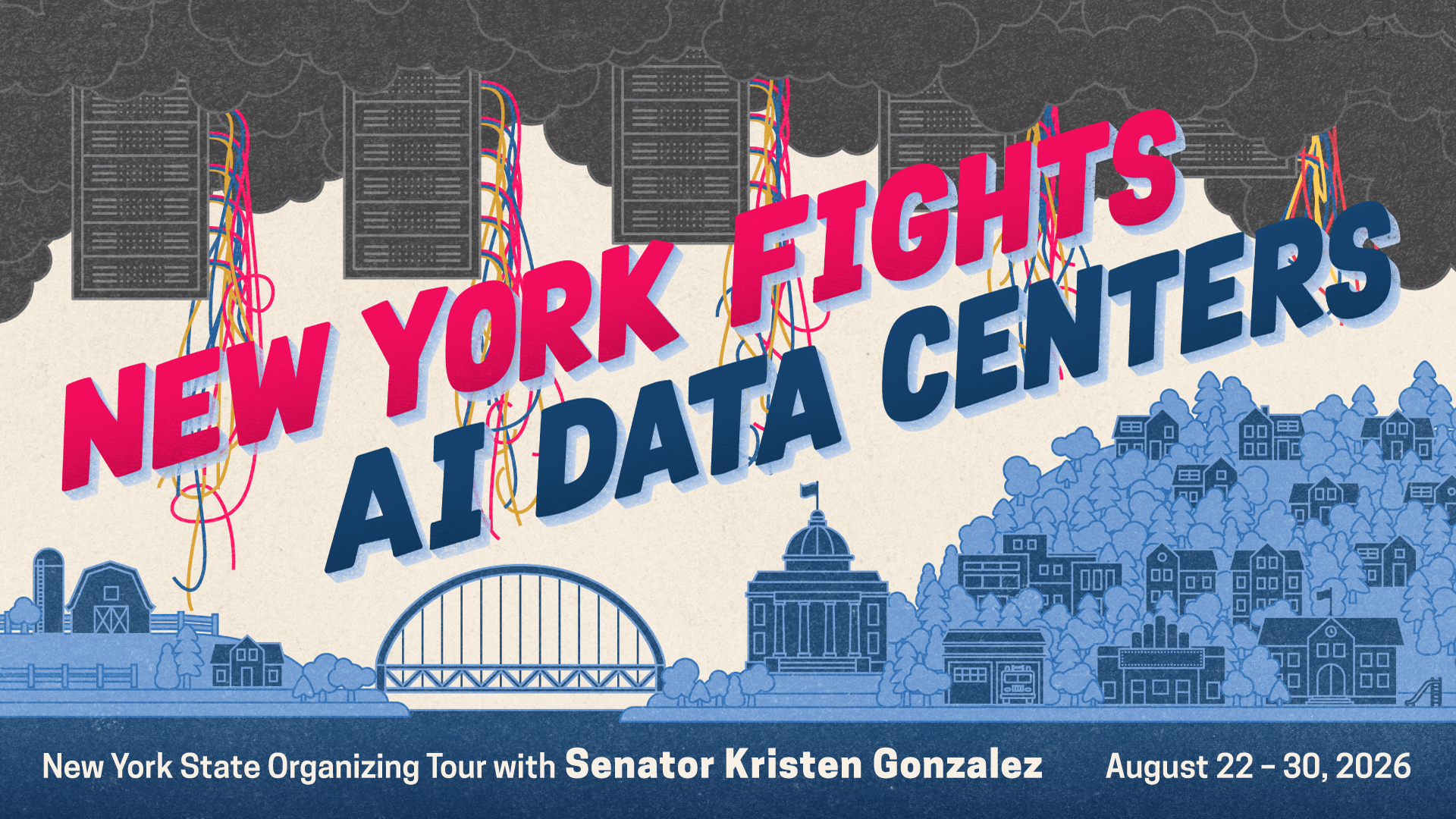
NY Fights AI Data Centers! With Senator Kristen Gonzalez
Join us in welcoming Senator Kristen Gonzalez to our region for two town halls regarding active and proposed data centers as part of her statewide data center tour!
We will hear from organizers about the data centers that are currently operating or are being considered in the area, learn from Senator Kristen Gonzalez about the Responsible Data Center Development Act, listen to a panel of community members speak on their site fights locally, and have a Q&A portion for audience members.
The morning will start with a Buffalo Town Hall at 11:30am at the Clean Air Coalition office, 371 Delaware Ave, Buffalo, NY 14202. During this town hall we will also hear from Senator Gonzalez about the tour stops she has planned for the rest of the day. You can register here for the Buffalo Town Hall: https://actionnetwork.org/events/kickoff-town-hall-with-sen-gonzalez/
The day will wrap up with a Niagara Falls Town Hall at 7pm at the Doris Jones Community Center Auditorium, 3001 9th St, Niagara Falls, NY 14305 US. At this event Senator Gonzalez will also speak on what she learned about the various local data center fights in the region throughout the day of community conversations. You can register here for the Niagara Falls Town Hall (note that the correct time is 7pm): https://actionnetwork.org/events/niagara-falls-fights-ai-data-centers-town-hall/
July-August 2026 Monthly Updates: Tonight Monday August 3 – Hearing in Town of Tonawanda for a Data Center Moratorium!
Click here to subscribe to our monthly e-newsletter, and view this month’s edition by clicking the “More” link just below.
Town of Tonawanda Hearing Monday August 3 2026 – Data Center Moratorium
We’re very excited to share that the Town of Tonawanda will hold a hearing on Monday August 3, 2026 at 7pm at 2919 Delaware Avenue at the beginning of the regularly scheduled Town Board meeting to vote on a proposed 1-year moratorium on hyperscale data centers above 20MW in size, and to then use the moratorium period develop a zoning amendment to regular data center operations.
The announcement of the hearing came one day prior to Governor Hochul’s Executive Order, and the proposed local moratorium helps cover some of the gaps in the Executive Order, such as the 50MW threshold.
We previously had posted a copy of the resolution but were asked by the town to remove it from our website. Contact Bridge at bridge@cacwny.org if you would like more details on the resolution.
Please join us on Monday August 3 at 7pm at 2919 Delaware Ave to support the passage of the moratorium, and voice any concerns you may have with it.
Typically, members of the public are given 3 minutes to speak during Town of Tonawanda public hearings, and the hearing will be one of the first items on the agenda and the meeting will start promptly at 7pm, so please plan to arrive a little early. Doors to the meeting should open around 6:30.
Clean Air members and organizers have been urging that town officials take this action for several years through our Tonawanda Just Transition Teams – we have grown increasingly alarmed by the impacts of data centers in other communities where we organize, such as in North Tonawanda, and by the quiet ongoing development towards the “Data Innovation Technology Centre” at the Riverview Innovation Tech Campus, formerly Tonawanda Coke.
A moratorium is a sensible short term action to take for local policymakers to develop a zoning amendment – to be clear, though, ultimately Clean Air’s goal is to pivot the planned use of the site from a data center to renewable energy generation and storage, and regardless of whether this moratorium passes or not, we will continue to campaign towards this goal, as well as our other related goals to rein in this new industrial sector.
Learn more about our Erie-Niagara Data Center Campaign here, and our Tonawanda Just Transition Teams here.
Clean Air Celebrates and Thanks Governor Hochul for Today’s Data Center Executive Order
Here at Clean Air, we are celebrating the news today of Governor Hochul’s Executive Order for a 1-year moratorium on data centers above 50 MW.
This order is attached to a number of broader actions, including developing a Draft Generic Environmental Impact Statement. We urge reading the full EO here – https://www.governor.ny.gov/executive-order/no-62-establishing-temporary-moratorium-data-centers-new-york-while-state-develops
Our statement celebrating this action today is shared below.
Clean Air Celebrates and Thanks Governor Hochul for Today’s Data Center Executive Order
The Clean Air Coalition of Western New York organizes with fenceline and frontline residents in Erie and Niagara County NY to organize to fight for environmental justice and public health.
We first became engaged in data center site fights with the closure of the former Tonawanda Coke in 2018 and the announcement at that time that the future planned use was a hyperscale data center – from the beginning, residents expressed skepticism and concern about this planned use. They have since grown increasingly vocal in their opposition to a data center at that site, and in favor of renewable energy generation and storage instead.
In parallel to this, cryptocurrency mining data centers in Erie and Niagara Counties began to pop up at area industrial sites, and in 2021 Clean Air began actively supporting data center site fights in our region, starting with the DigiPowerX cryptocurrency data center at the Fortistar gas-fired power plant in North Tonawanda.
We thank Governor Hochul for her action today to sign an Executive Order initiating a 1-year moratorium on all new data centers larger than 50 MW, or of expansions of existing data centers of similar size – this is a bold and innovative action by our Governor, and deserves applause. We especially applaud the inclusion of organized labor provisions within the proposed Community Investment Framework.
We urge that the Department of Public Service, Empire State Development, Department of Environmental Conservation and other named agencies engage with environmental justice organizations and fenceline communities across the state for the Draft Generic Environmental Impact Statement, the Community Investment Framework, and the Data Center Interconnection Working Group.
We further urge that, as the New York Grid Acceleration Fund begins to take shape, that investments in publicly owned renewable energy projects and supportive transmission and distribution be strongly considered.
We also urge that local governments not consider this action to supersede local actions, such as developing zoning amendments to fit individual municipal concerns, and also flag that smaller data centers between 10-50MW are not included in the moratorium, so we would urge continuing to pursue local moratoriums to restrict these new developments.
For example, we urge that the Town of Tonawanda continue to pursue the planned hearing on August 3 to initiate a 6-month moratorium, as there are local zoning actions that can still begin to be initiated during this one year pause.
The Governor’s actions today are worth celebrating – this is a huge win for communities and grassroots organizers who fight for action to rein in this unregulated industrial sector.
We again thank the Governor, as well as all our members and supporters who have worked tirelessly this year to bring about this action.
June-July 2026 Monthly Updates: General Meeting July 22 and Much, Much More!
Click here to subscribe to our monthly e-newsletter, and view this month’s edition by clicking the “More” link just below.
We are turning off comments on our Meta pages
Moving forward, Clean Air will be turning off all comments on our Facebook and Instagram posts.
Why are we making this change?
We have always regarded social media platforms as a tool for organizers to use – a digital bullhorn to amplify our message.
However, increasingly, these bullhorns are held by billionaires who do not share our values or goals.
In 2022, when Elon Musk purchased Twitter, we were one of the first WNY organizations to stop using the platform, because we knew what would come next – control by Musk of the narrative on that platform, and a far right authoritarian shift in the boosted content moving forward.
As we have all observed in the time since, this prediction has unfortunately borne out.
We now are acting on similar observations that we have made of our Meta accounts.
Mark Zuckerberg is not a friend, and his platforms are not safe.
The irresponsible lack of moderation and poor enforcement of community standards across Meta platforms and an algorithm that boosts controversial posts to drive engagement on the platforms has inflamed hate and violence globally. This is plainly evident to anyone who has ever waded into the comment section of any news post.
Globally, this has spilled into inciting violence and even genocide. In 2022, Amnesty International directly cited Meta as one of the main instigators of the Rohingyan Genocide in Burma/Myanmar.
There’s an adage that you do not engage in arguments to change the mind of the person you are talking with, but instead to change the minds of the people listening in, and to show you are an ally to marginalized communities by pushing back on hateful rhetoric rather than letting it stand unchallenged.
But, with the rise of AI, much of that audience are no longer real people. An estimated 20% of all social media accounts are now AI bots – and some estimates of Meta platforms put this well above 50% of accounts.
Of the real people on Meta, many others are paid by the far right to post hateful content, and still others are paid to spread divisive content, especially in the lead-up to elections. “Troll Farms” have been a major issue on Meta platforms for well over a decade now, and there doesn’t seem to be any meaningful effort by Meta to rein these in.
Meta makes money by keeping people engaging on their platform – they do not have an incentive to reduce the engagement that that these farms drive.
In 2018, operatives in Russia targeted WNY through Facebook and seized on the murder of India Cummings to try to set up a rally. This was not an attempt by people driven by the injustice and horrors of the conditions at the Erie County Holding Center. This was an attempt to try to use the murder of Cummings to incite divisiveness and suppress turnout in the midterm elections. Local organizers immediately called out the suspicious nature of the rally, and the lack of any local leadership in the organizing of this rally.
Engaging with these bot accounts and troll farms just makes hateful and divisive content more attractive for Meta’s algorithm to spread widely. News stories which have attracted ugly and bigoted comments are boosted to the top of the feed, and people from marginalized backgrounds are then subjected to that hateful content when it then pops up on their feeds.
Every time staff needs to take time to reply to a comment on one of our posts and engage in a back-and-forth discussion, that takes away from their time and capacity for their other work.
Posting in Facebook comment sections is not organizing and does nothing to build our power or our base, but is a very effective distraction.
To be clear, we are not deleting our Meta accounts and will continue to post new content – because of a lack of appetite for monopoly busting, Meta has made itself, for now, irreplaceable in modern comms strategies.
For example, there is no easy replacement for neighborhood Facebook groups, which we find valuable for learning of possible industrial polluters. We also are keeping the Meta private message functions open.
However, until Meta is forced through monopoly busting and regulatory legislation to create and enforce equitable moderation and is held to account for the harm it has caused by allowing violent, white nationalist and fascist rhetoric to spread and thrive on it’s platforms, we cannot in good conscience continue to use Meta platforms as we have, and we will reduce our use of their platforms.
Comments are now off.
Learn More –
- https://www.amnesty.org/en/latest/news/2022/09/myanmar-facebooks-systems-promoted-violence-against-rohingya-meta-owes-reparations-new-report/
- https://www.iheart.com/podcast/105-behind-the-bastards-29236323/episode/part-one-mark-zuckerberg-should-be-on-trial-for-crimes-against-humanity-71796243
- https://www.nature.com/articles/s41598-025-96372-1
- https://arkansasradio.com/2026/01/ai-generated-content-now-dominates-facebook-feeds-studies-show-2/
- https://pmc.ncbi.nlm.nih.gov/articles/PMC8179701/
- https://opentools.ai/news/metas-ai-crawlers-reign-supreme-with-52percent-of-web-bot-traffic-fastly-report-unveiled
- https://www.businessinsider.com/facebook-troll-farms-peddling-misinformation-reached-nearly-half-of-americans-2021-9
- https://www.wkbw.com/news/russian-internet-trolls-targeted-wny
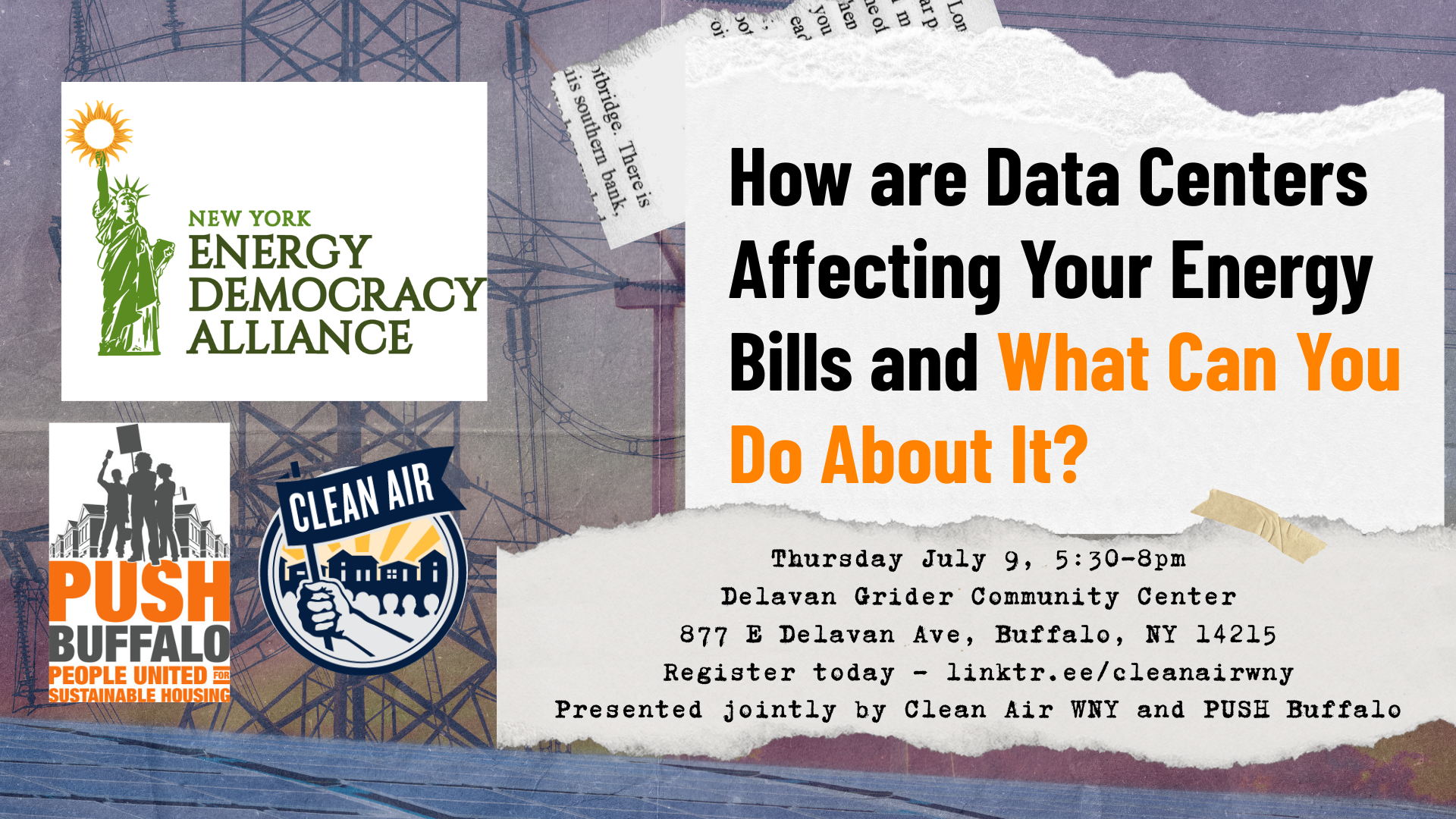
HOW ARE DATA CENTERS AFFECTING OUR ENERGY BILLS AND WHAT CAN WE DO ABOUT IT? – WORKSHOP JULY 9
Our energy bills are going up, and data centers are among the contributing causes – join the Clean Air Coalition of Western New York and PUSH Buffalo, both members of the NY Energy Democracy Alliance, for a workshop on the root causes of our rising energy bills and a discussion about what we can (and are!) doing to fix the problems, including actions to directly take on the tech billionaire data center build out, and how you can also become a leader in this fight!
All of us are needed if we hope to curb the development of data centers and win affordable energy solutions.